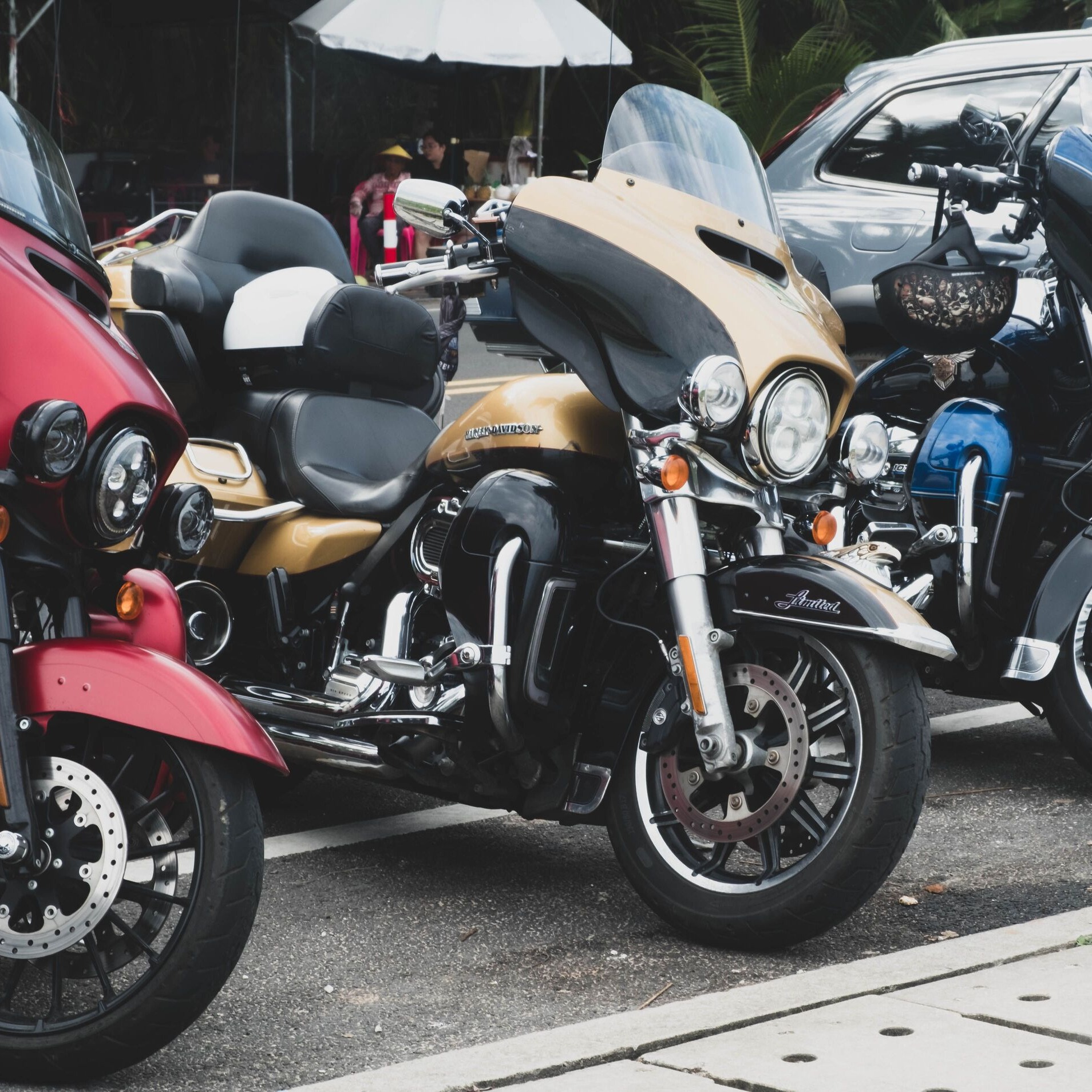

how to verify motorcycle tire quality

How to Verify Motorcycle Tire Quality Before a Bulk Order
Buying motorcycle tires in bulk involves more than comparing prices and product specifications. For importers, wholesalers, distributors, and private-label brands, product quality must remain consistent throughout production and delivery.
A tire sample may look good, but buyers also need to understand how the manufacturer controls quality during mass production. Without a clear inspection process, production records, and reliable communication, it can be difficult to identify potential problems before shipment.
So, how can you verify motorcycle tire quality before placing a bulk order?
This guide explains the key steps buyers should follow, from product specification confirmation and sample approval to production inspection, batch records, and factory visits. It also introduces the quality control practices confirmed by DEJI TIRE as a motorcycle tire manufacturer in China.
1. Confirm Product Specifications Before Ordering
 Before evaluating tire quality, make sure the manufacturer understands exactly what you need.
Different tire sizes, tread patterns, constructions, and applications may have different requirements. A clear specification helps prevent misunderstandings during production.
Before confirming an order, buyers should check:
-
Tire size: Confirm the exact size required for the target motorcycle or scooter market.
-
Tread pattern: Select a suitable street, off-road, or other available pattern.
-
Construction: Confirm whether the tire is Tube Type (TT) or Tubeless (TL).
-
Ply rating: Check the required load capacity and available PR options.
-
Load index and speed rating: Confirm that the markings match the product requirements.
-
Sidewall markings: Check the brand, size, and other required information.
-
Packaging and labeling: Confirm the packaging method and any private-label requirements.
For OEM motorcycle tires, these details should be confirmed before production begins.
A clear product specification is the foundation of effective quality control.
2. Approve Samples Before Mass Production
Sample approval is an important step before placing a large motorcycle tire order.
A sample allows buyers to review the actual product rather than relying only on photographs or product descriptions.
During sample evaluation, buyers should check:
-
Tire size and dimensions
-
Tread pattern and appearance
-
Sidewall markings
-
Product construction
-
Weight and other agreed specifications
-
Compatibility with the intended application
For OEM and private-label orders, the sample should also reflect the agreed branding and product requirements.
How DEJI TIRE Confirms Samples
DEJI TIRE has a written sample confirmation or signed-sample process.
This provides a reference for both the buyer and the manufacturer before mass production. Important product details can be confirmed in writing, helping both parties maintain a consistent understanding of the order requirements.
However, sample approval alone does not guarantee that every tire in a bulk shipment will be identical. Buyers should also understand the manufacturer's production quality control procedures and inspection records.
3. Check Quality Control During Motorcycle Tire Production
Motorcycle tire manufacturing involves several production stages. Quality checks at different stages help identify potential problems during the manufacturing process.
At DEJI TIRE, quality checks are carried out across key production stages.
Raw Material Inspection
Before production, raw materials such as rubber, carbon black, and fabric are subject to inspection.
Raw material quality is an important part of tire manufacturing because these materials are used in the production of different tire components.
Mixing
The mixing process is one of the key stages in motorcycle tire production. Quality checks are conducted during this stage.
Calendering
Calendering is another important production stage where quality checks are performed.
Cutting
During cutting, quality checks help monitor the materials used in the next production steps.
Building
The tire-building process brings different components together to form the tire structure. Quality checks are also conducted at this stage.
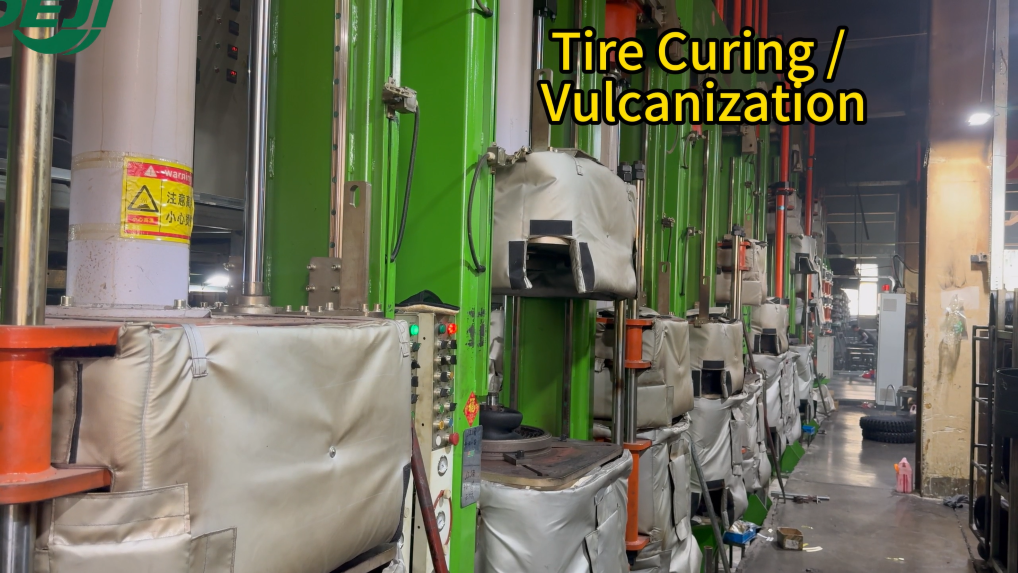
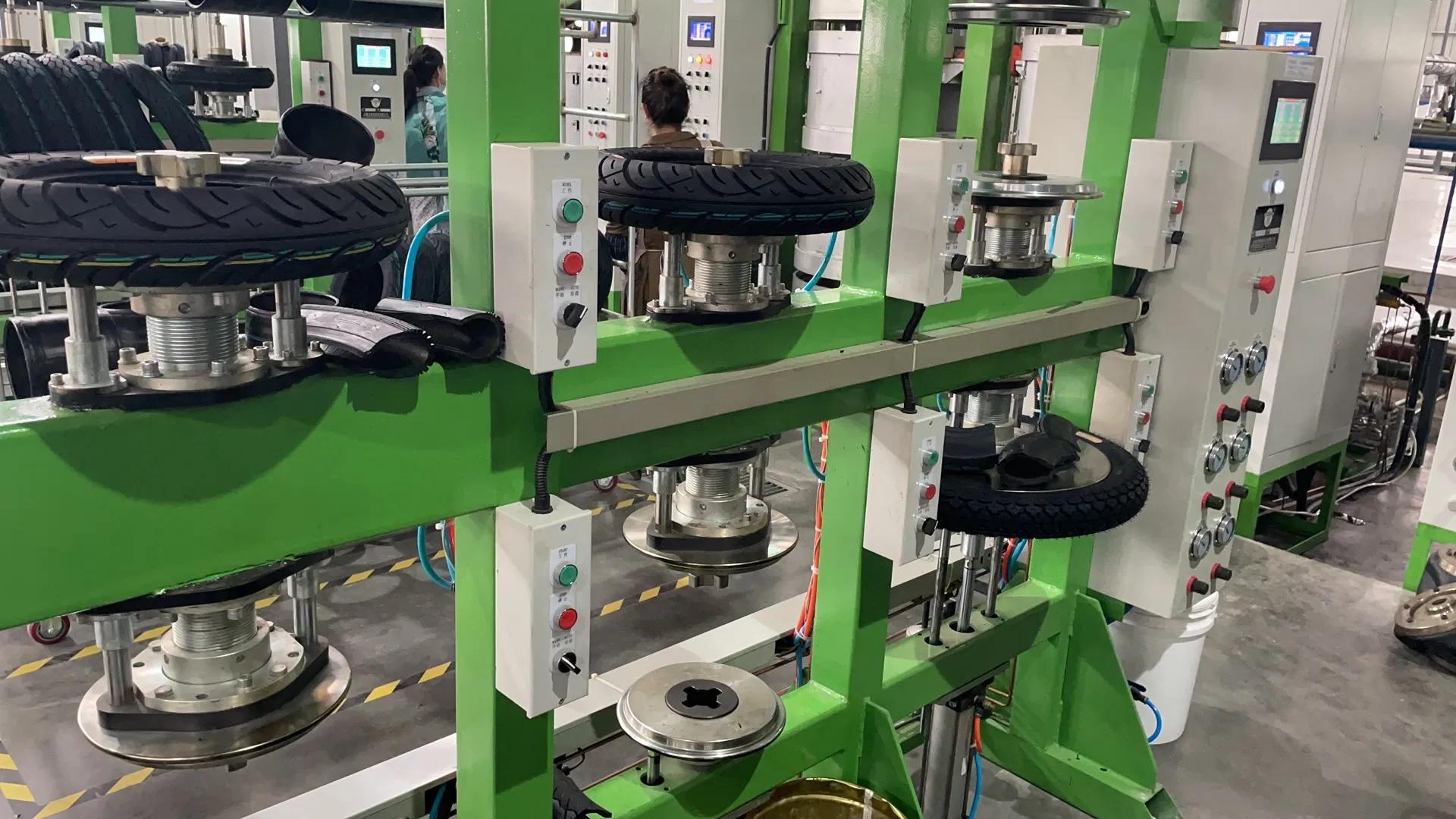
Vulcanization
Vulcanization is a key stage in tire manufacturing. DEJI includes quality checks during this process.
Trimming
After vulcanization, tires go through trimming. This stage also includes quality inspection.
By carrying out checks across these production stages, DEJI TIRE incorporates quality control into the manufacturing process rather than relying only on the final inspection.
4. Understand Finished Motorcycle Tire Inspection
Finished tire inspection is another important step before products are prepared for shipment.
Buyers should understand what the manufacturer checks and whether the inspection items match the product requirements.
DEJI TIRE's confirmed finished-product inspection items include:
| Inspection Item | What Is Checked |
|---|---|
| Appearance | Visible appearance and surface condition |
| Dimensions | Tire dimensions |
| Weight | Finished tire weight |
| Tread pattern | Tread design and appearance |
| Sidewall markings | Printed or molded sidewall information |
| Air-tightness or other applicable tests | Relevant testing items according to product requirements |
These checks help identify products that do not meet the required specifications.
The exact inspection method, testing frequency, and application of individual tests may vary. Buyers should confirm these details for their specific tire models and orders rather than assuming that every inspection item applies to every tire.
5. How Are Nonconforming Tires Handled?
A reliable quality control process should also explain what happens when a product does not meet the required specifications.
At DEJI TIRE, nonconforming tires are handled through rework or scrapping, depending on the situation.
This means that products identified as nonconforming are not simply treated as normal finished goods.
For buyers, it is useful to discuss the manufacturer's handling procedures before placing a bulk order, especially when ordering customized motorcycle tires or private-label products.
Buyers should clarify the agreed product specifications and quality requirements in advance so that both parties have a clear basis for evaluating the finished goods.
6. Ask for Production and Inspection Records
Quality records help buyers understand how an order is managed during manufacturing and before shipment.
DEJI TIRE maintains several types of records, including:
-
Production records
-
Inspection records
-
Batch records
-
Pre-shipment inspection records
These records provide supporting information about the production and inspection process.
For bulk orders, buyers can also request relevant documentation to better understand the order's production and delivery process, subject to the manufacturer's document-sharing arrangements.
Why Are Batch Records Important?
When purchasing motorcycle tires in large quantities, buyers should pay attention to batch information.
Batch records can help connect production information with the corresponding order. This is particularly relevant for importers and distributors who need to manage inventory and communicate with their downstream customers.
A useful supplier discussion should cover what batch information is available and how production and inspection records are maintained.
7. Check Packaging and Shipping Documents
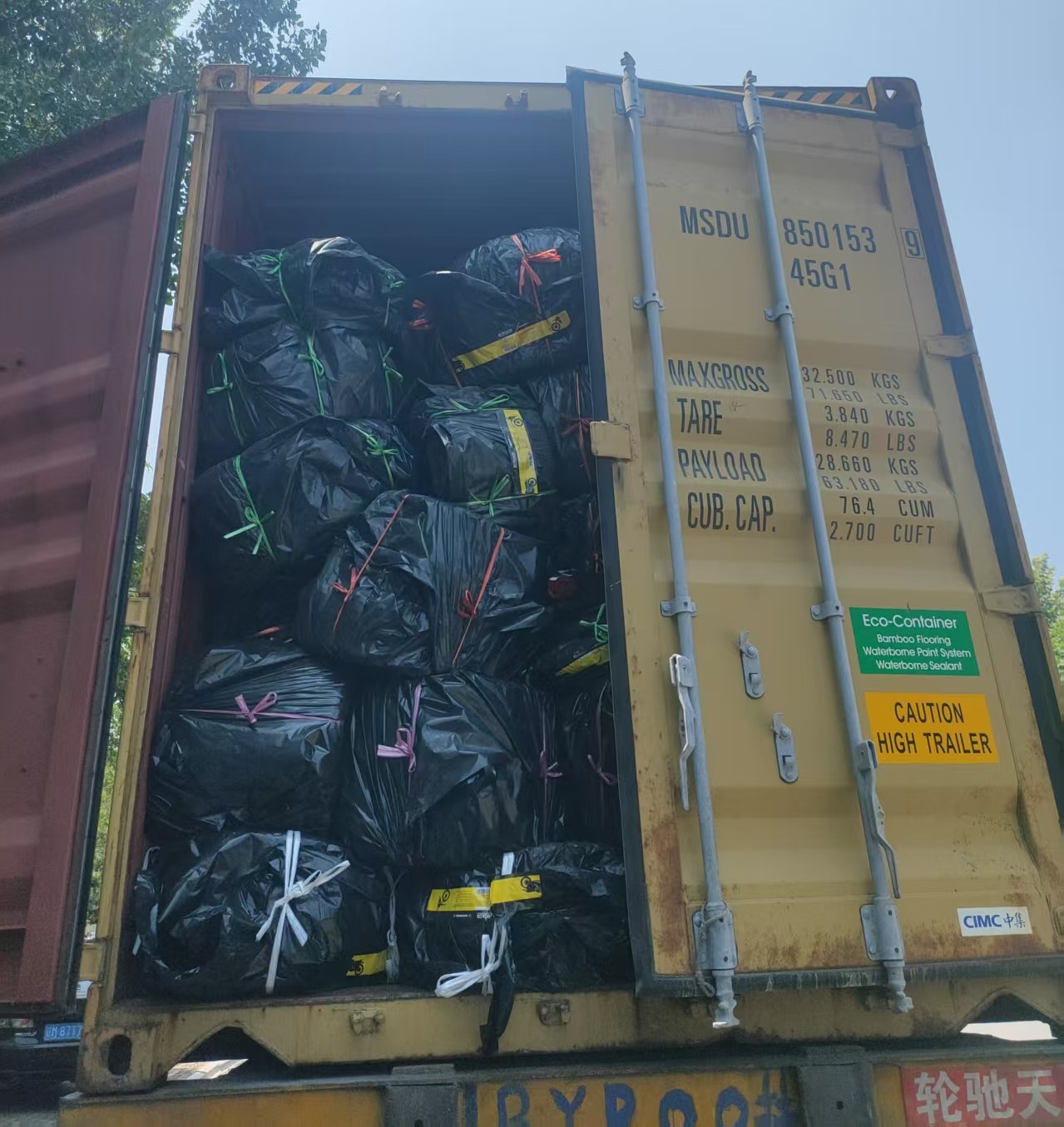
Quality verification should not stop when production is completed.
Before shipment, buyers should also confirm that the products and shipping information match the agreed order.
Important details include:
-
Product sizes and quantities
-
Tread patterns
-
Brand and sidewall markings
-
Packaging requirements
-
Shipping quantities
-
Order and shipment documentation
DEJI TIRE maintains pre-shipment inspection records and can provide redacted order and shipping documents for reference.
These documents can help buyers understand the order fulfillment and shipment process. However, order and shipping documents should not be treated as substitutes for product inspection reports or technical test results.
For commercial confidentiality, customer names, contact details, prices, addresses, and other sensitive information should be removed before documents are shared publicly.
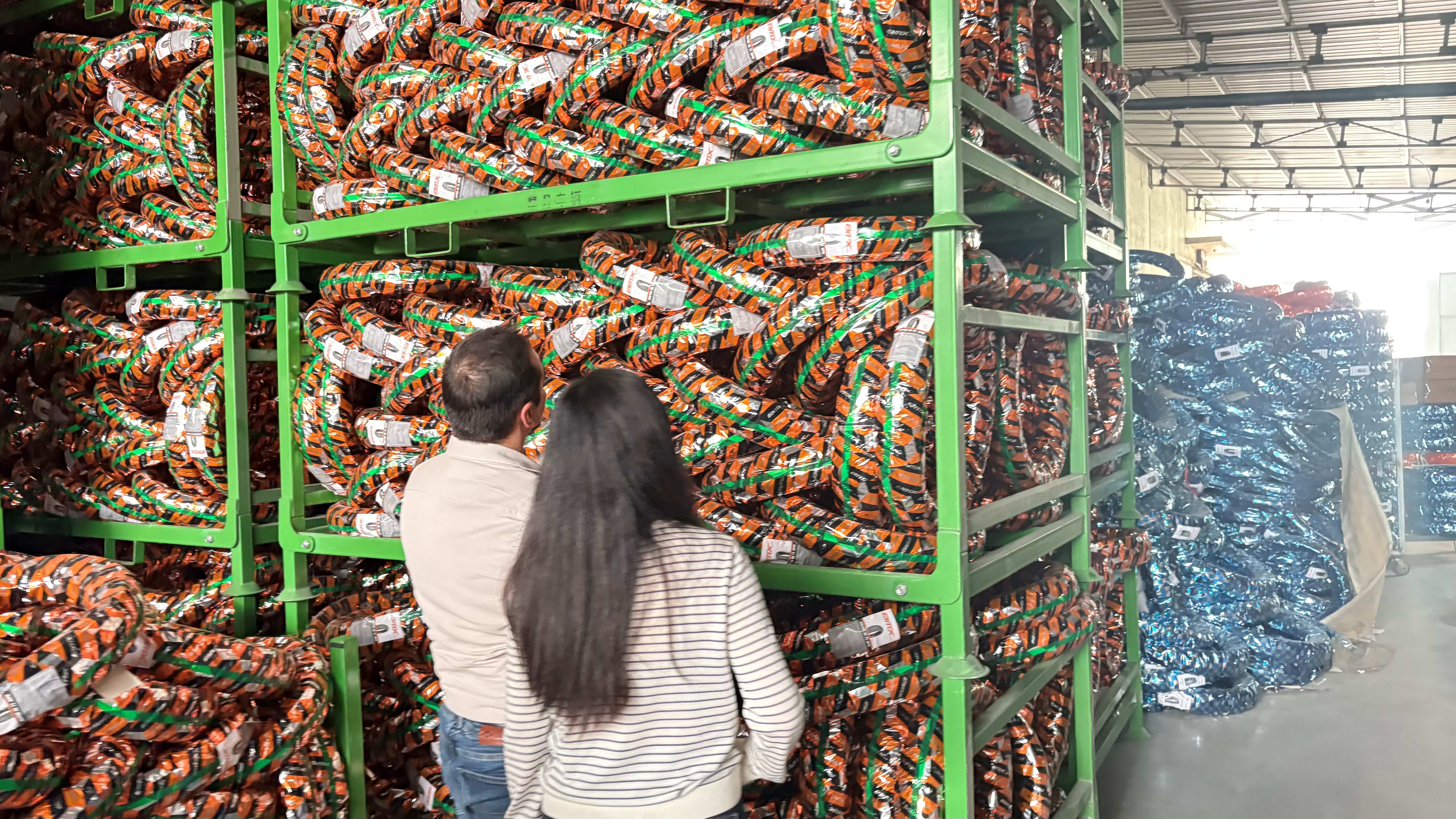
8. Visit the Motorcycle Tire Factory
For buyers considering a long-term supplier relationship, a factory visit can provide a more direct understanding of the manufacturer's operations.
During a visit, buyers can learn about:
-
The production environment
-
Motorcycle tire manufacturing processes
-
Quality inspection activities
-
Finished product storage
-
Packaging and shipment preparation
DEJI TIRE accepts customer factory visits.
A visit gives buyers an opportunity to communicate directly with the factory team, understand the production process, and discuss product specifications and OEM requirements.
For importers and distributors planning regular bulk orders, visiting the factory can be a useful part of supplier evaluation.
9. Check Quality Management and Product Certifications
Certifications are another part of supplier evaluation, especially when importing motorcycle tires into markets with specific regulatory requirements.
DEJI TIRE has confirmed the following quality management and product-related certification information:
-
ISO 9001
-
CCC
-
DOT
-
BIS
-
ECE
However, buyers should not assume that every certification applies to every tire model.
The applicable certification requirements depend on the destination market, product category, and specific tire model. Before ordering, buyers should request the relevant documentation and verify the certificate scope and validity.
For importers, checking the correct certification for the intended market is an important step before shipment.
10. Motorcycle Tire Quality Checklist for Bulk Buyers
Before confirming a bulk motorcycle tire order, use this checklist to review the supplier and product requirements.
Product Specifications
-
Confirm the exact tire size.
-
Confirm the tread pattern.
-
Check TT or TL construction.
-
Confirm ply rating, load index, and speed rating.
-
Review sidewall markings and packaging requirements.
Sample Approval
-
Request samples before mass production.
-
Check the sample against the agreed specifications.
-
Confirm OEM branding and other customization requirements.
-
Obtain written sample confirmation or complete the signed-sample process.
Production and Inspection
-
Ask about raw material inspection.
-
Understand the quality checks at key production stages.
-
Confirm finished tire inspection items.
-
Ask how nonconforming products are handled.
Records and Shipment
-
Ask about production and inspection records.
-
Confirm batch record availability.
-
Review pre-shipment inspection arrangements.
-
Check packaging and shipping documents.
Supplier Verification
-
Verify the manufacturer's quality management information.
-
Check certifications for the exact product and destination market.
-
Arrange a factory visit when necessary.
Using this checklist can help buyers communicate more clearly with suppliers and reduce avoidable misunderstandings before bulk production.
11. Why Discuss Quality Control With DEJI TIRE?
Choosing a motorcycle tire manufacturer is not only about finding a competitive price. Buyers also need to understand the manufacturer's production process, sample confirmation arrangements, inspection practices, and documentation.
As a China-based motorcycle tire manufacturer, DEJI TIRE provides quality control support across several stages of production.
Its confirmed quality-related practices include:
-
Inspection of incoming raw materials
-
Quality checks during key manufacturing stages
-
Finished tire inspection
-
Rework or scrapping of nonconforming products
-
Production, inspection, and batch records
-
Pre-shipment inspection records
-
Written sample confirmation or signed-sample procedures
-
Customer factory visits
DEJI TIRE also provides motorcycle tires and related products for wholesale and OEM/ODM cooperation.
For buyers looking for a motorcycle tire supplier in China, discussing these procedures before placing an order can help establish clearer product requirements and a more transparent purchasing process.
Frequently Asked Questions
1. How can importers verify motorcycle tire quality before a bulk order?
Importers should confirm product specifications, inspect samples, obtain written sample approval, understand the manufacturer's production quality checks, review finished tire inspection items, and ask about production and batch records.
A factory visit can provide additional information about the manufacturer's actual production and inspection processes.
2. Does a good sample guarantee consistent bulk production?
No. A sample is a reference for confirming product requirements, but it does not independently guarantee that every tire in a bulk order will be identical.
Buyers should also understand the manufacturer's production control procedures and inspection records.
3. What should buyers check during a motorcycle tire factory visit?
Buyers can review the production environment, key manufacturing stages, quality inspection activities, finished product storage, and packaging preparation.
They should also discuss product specifications and quality requirements directly with the factory team.
4. What quality records should a motorcycle tire manufacturer maintain?
Useful records may include production records, inspection records, batch records, and pre-shipment inspection records.
These documents help buyers understand how production and inspection information is maintained for an order.
5. Does DEJI TIRE accept customer factory visits?
Yes. DEJI TIRE accepts customer factory visits. Buyers can visit the factory to learn about its production environment, manufacturing processes, and quality inspection activities.
6. What certifications should buyers check when importing motorcycle tires from China?
The required certifications depend on the destination market and the specific tire product.
Buyers should confirm the applicable requirements and request relevant documents for the exact tire model before placing an order.
7. Can buyers request OEM motorcycle tire samples before mass production?
Buyers should discuss their required tire size, tread pattern, branding, and other specifications with the manufacturer.
DEJI TIRE has a written sample confirmation or signed-sample process to help confirm product requirements before mass production.
Conclusion
Verifying motorcycle tire quality before a bulk order requires more than checking a sample or comparing product prices.
Buyers should pay attention to product specifications, sample approval, production quality checks, finished tire inspection, batch records, shipping documents, and the manufacturer's ability to explain its quality management process.
For importers, wholesalers, and OEM/ODM brands, these steps can make supplier evaluation more structured and help establish clearer expectations before production begins.
Looking for a motorcycle tire manufacturer in China?
Contact DEJI TIRE to discuss wholesale motorcycle tires, OEM/ODM requirements, product specifications, samples, and factory visits.
Visit: https://www.wheelcart.cn
SEO Information
SEO Title: How to Verify Motorcycle Tire Quality Before Bulk Orders
Meta Description: Learn how to verify motorcycle tire quality before bulk orders, from sample checks and production inspection to batch records and packaging.
URL Slug: verify-motorcycle-tire-quality-bulk-order.html
Primary Keyword: how to verify motorcycle tire quality
Secondary Keywords:
-
motorcycle tire quality inspection
-
motorcycle tire quality control
-
motorcycle tire manufacturer
-
motorcycle tire bulk order
-
motorcycle tire sample inspection
-
motorcycle tire batch consistency
-
wholesale motorcycle tires
-
OEM motorcycle tires
-
motorcycle tyre quality
-
motorcycle tyre supplier
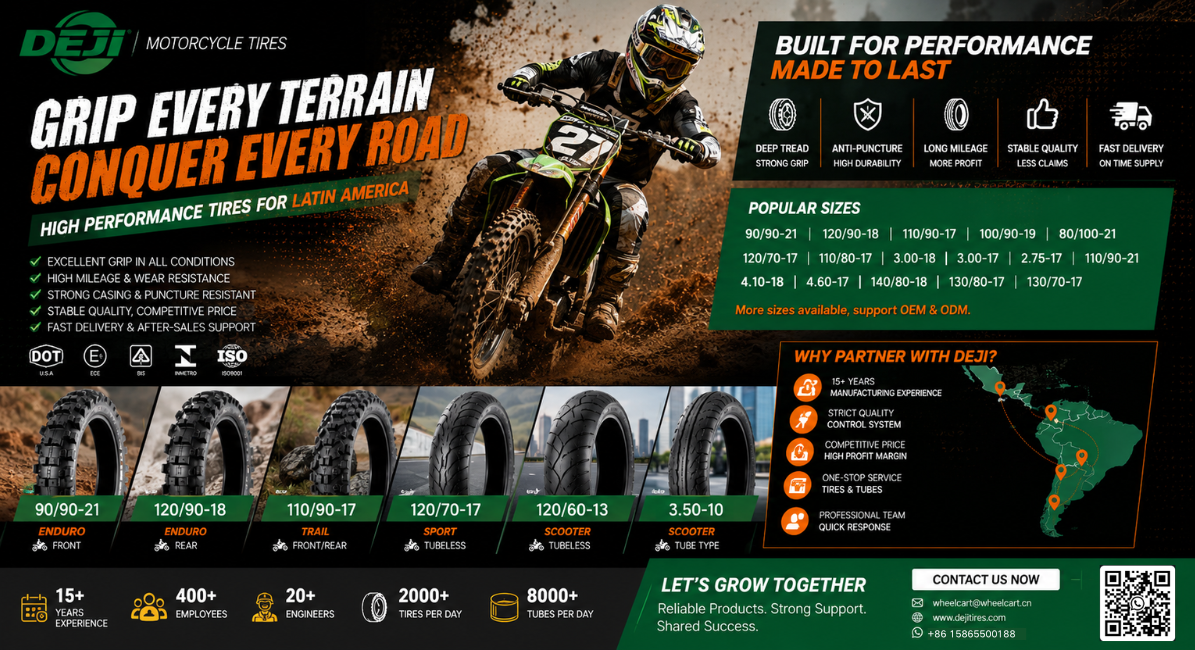
Image Recommendations
| Image | Suggested File Name | ALT Text |
|---|---|---|
| Production line and process checks | deji-motorcycle-tire-production-quality-control.jpg | Quality control checks during motorcycle tire production at DEJI TIRE |
| Finished tire inspection | deji-finished-motorcycle-tire-inspection.jpg | Finished motorcycle tire inspection at DEJI TIRE factory |
| Redacted quality records | deji-motorcycle-tire-inspection-records.jpg | Motorcycle tire production and inspection records at DEJI TIRE |
| Finished goods and shipment preparation | deji-motorcycle-tire-packaging-check.jpg | Motorcycle tire packaging and order shipment preparation at DEJI TIRE |
| Customer factory visit | deji-motorcycle-tire-factory-visit.jpg | Customer factory visit at DEJI TIRE motorcycle tire factory |
Publishing note: Use actual DEJI factory photos. Redact all customer and commercially sensitive information from order and shipping documents. Verify certification scope and validity before publishing certificate images or making model-specific certification claims.
Motorcycle Tire Rubber Compound: A Buyer's Guide