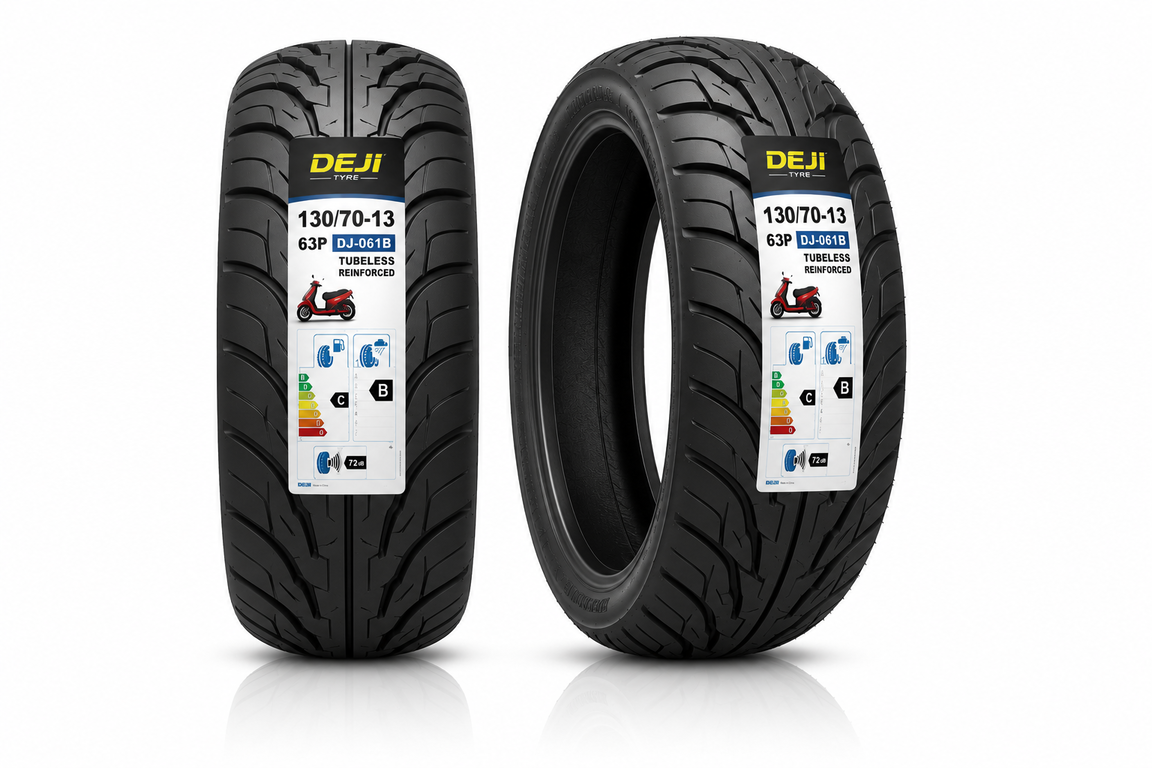

How to Build the Right Motorcycle Tire Product Range for Your Market

How to Build the Right Motorcycle Tire Product Range for Your Market
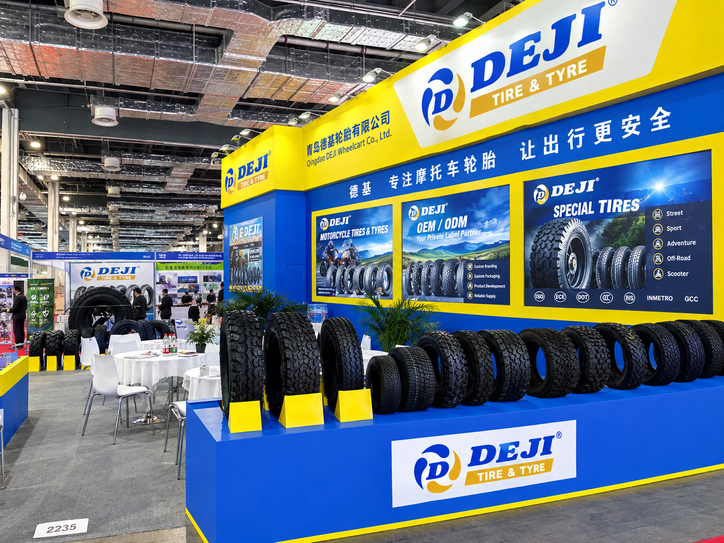
A Practical Guide for Importers and Distributors Choosing Motorcycle Tire Sizes, Patterns and Applications
For a motorcycle tire importer, choosing products for a new market is not simply a matter of finding the largest possible number of tire sizes.
A distributor may have access to dozens or even hundreds of motorcycle tire specifications, but stocking too many products can increase inventory pressure, while stocking too few can make it difficult to meet customer demand.
The more practical approach is to build a motorcycle tire product range around the motorcycles, applications, road conditions and purchasing behavior of the target market.
This article explains how importers and distributors can structure a motorcycle tire range and how a manufacturer such as DEJI TIRE can support that process.
1. Start With the Motorcycle Market, Not the Tire Catalogue
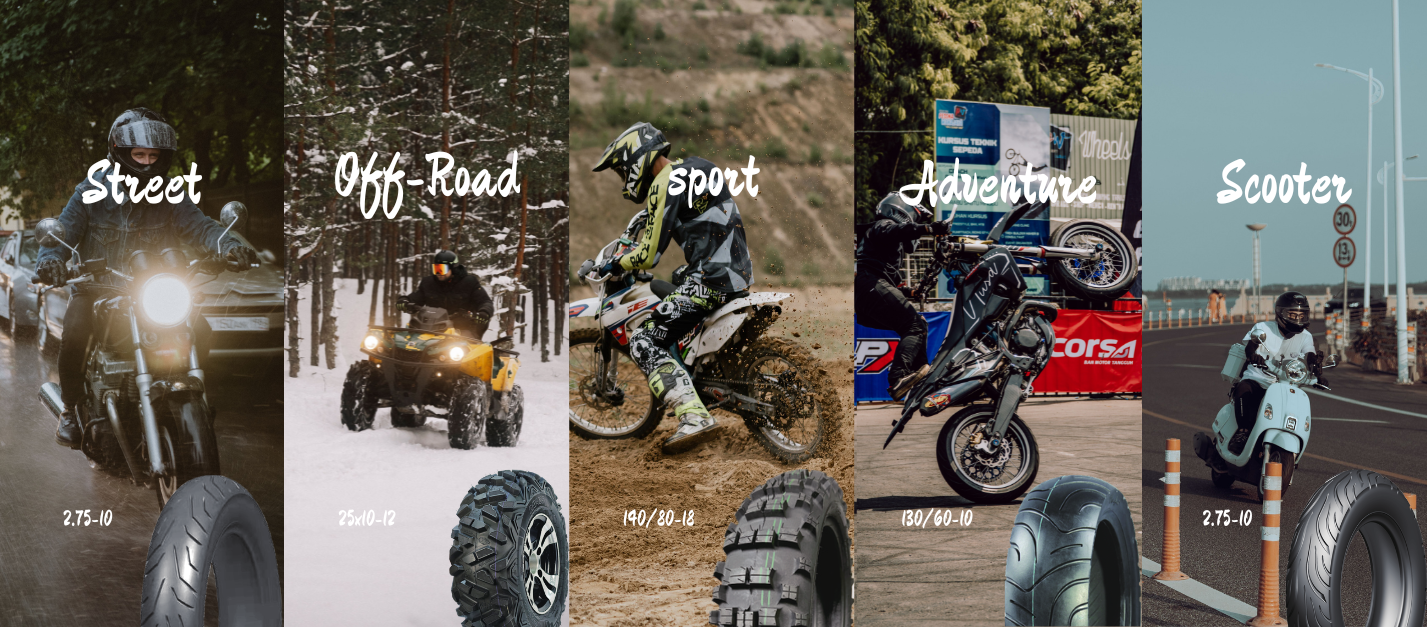
One of the most common mistakes when developing a motorcycle tire product range is starting with the supplier's catalogue.
A better starting point is the target market.
Before selecting tire sizes, an importer should understand:
-
Which motorcycle models are commonly used
-
Which motorcycle categories have the largest customer base
-
Which motorcycles are used for commuting
-
Which are used for delivery or commercial transportation
-
Which motorcycles are used on rural roads
-
Which applications require off-road or mixed-terrain tires
-
Which tire sizes are commonly replaced
For example, a distributor serving a city-focused market may need a different product range from a distributor serving rural or mountainous areas.
This is particularly relevant for Latin American markets, where motorcycle use can include commuting, delivery, commercial transportation, rural travel and recreational riding.
The objective is not to find one “best” motorcycle tire.
The objective is to build a product range that matches the actual demand of the market.
2. Build Your Product Range Around Applications
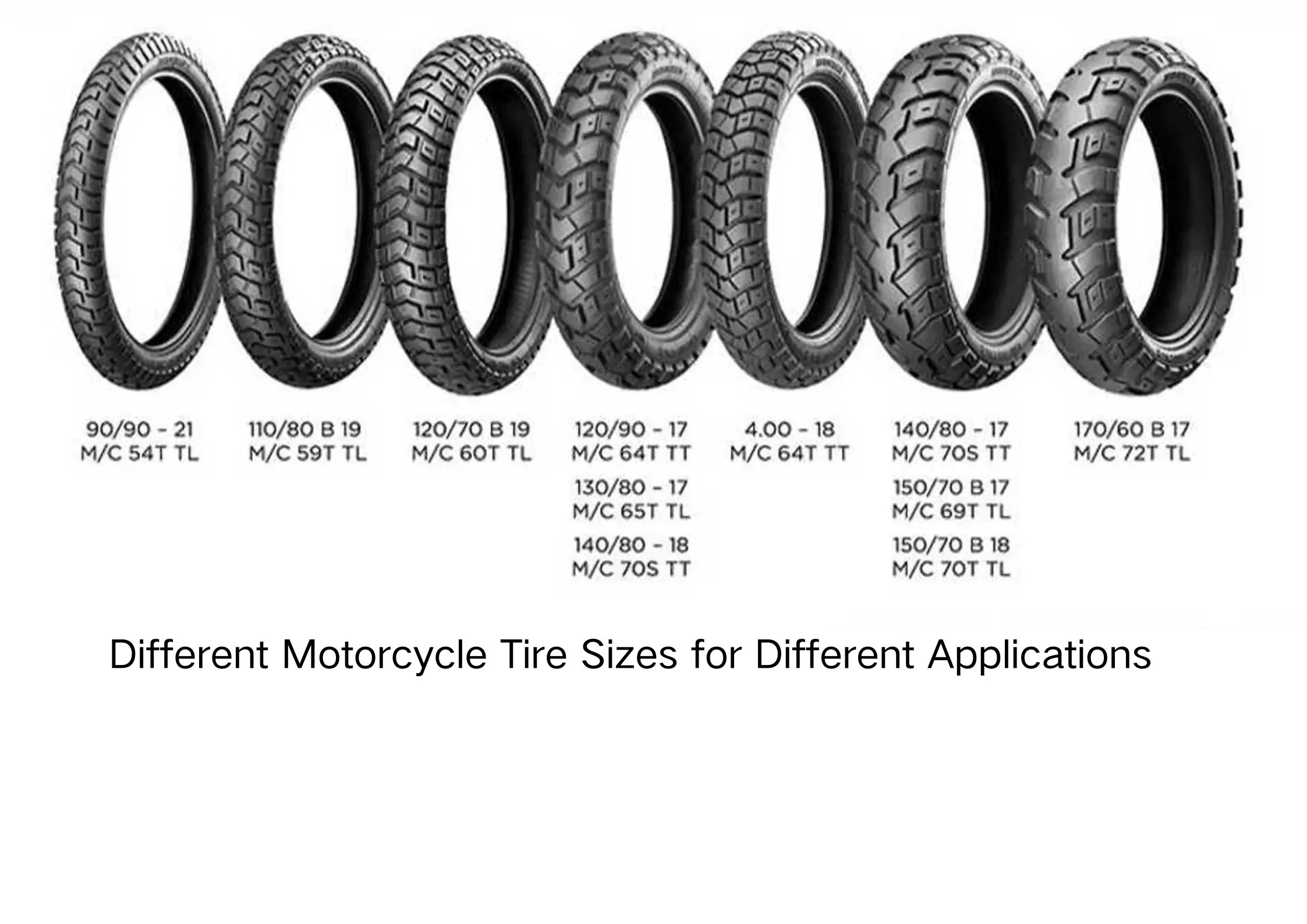
A useful way to organize motorcycle tires is by application.
Instead of looking at a long list of sizes, buyers can first divide their product range into several categories.
Street Motorcycle Tires
These products are generally intended for paved-road applications such as:
-
Daily commuting
-
Urban transportation
-
Highway use
-
General street riding
For many distributors, street tires can form an important part of the core product range.
Scooter Tires
Scooters have different wheel sizes and product requirements from many conventional motorcycles.
When developing a scooter tire range, buyers should consider:
-
Common scooter models
-
Front and rear applications
-
Tire sizes
-
Tube Type or Tubeless construction
-
Load and speed requirements
DEJI TIRE includes scooter tires within its motorcycle tire product portfolio.
Adventure and Mixed-Terrain Tires
Some markets require products for motorcycles that operate on both paved and unpaved roads.
These tires may be selected according to:
-
Percentage of paved-road use
-
Gravel and dirt-road requirements
-
Tread pattern
-
Motorcycle type
-
Load requirements
Off-Road Motorcycle Tires
Off-road applications require a different approach.
Depending on the intended terrain, buyers may need products designed around:
-
Dirt
-
Mud
-
Gravel
-
Rocks
-
Trails
-
Uneven surfaces
An aggressive tread pattern is not automatically the right choice for every motorcycle.
The product should match the intended motorcycle and terrain.
3. Organize Tire Sizes Into Core and Supporting SKUs
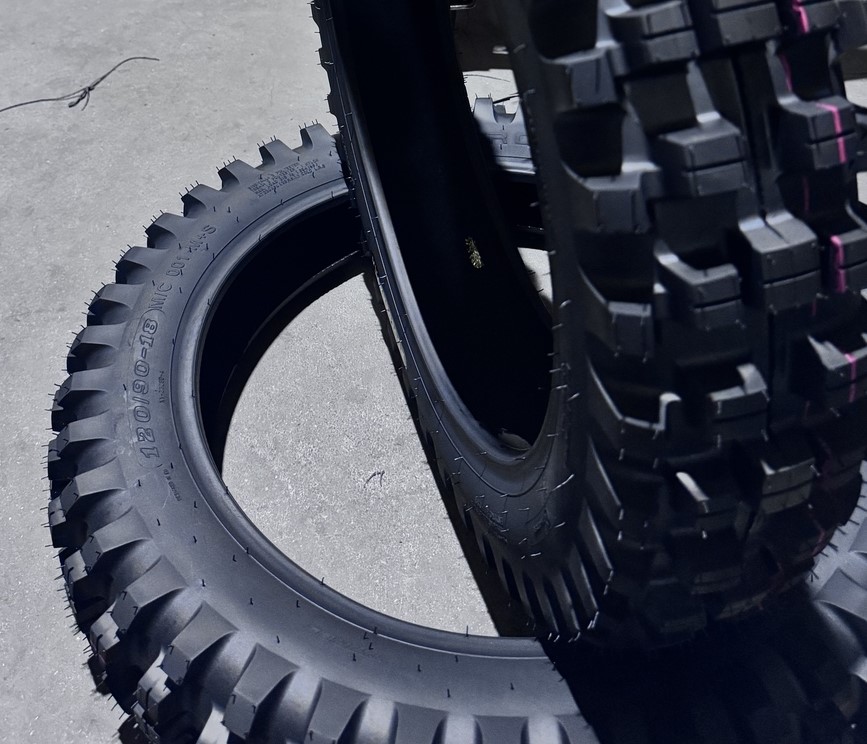
After identifying the major applications, distributors can organize their tire sizes into different levels.
Core Sizes
Core sizes are the products expected to generate regular replacement demand.
These should receive the greatest attention when planning inventory.
Supporting Sizes
Supporting sizes cover additional motorcycle models and customer requirements.
They may not sell as quickly as core products, but they can help a distributor provide a broader product range.
Special or Project-Based Sizes
Some sizes may be better handled according to customer orders rather than maintaining large inventory.
This can be particularly useful for:
-
OEM projects
-
Private-label products
-
Less common motorcycle models
-
Customized tread patterns
-
New market testing
This approach can help importers avoid treating every SKU as equally important.
4. Do Not Select a Tire Size Without Checking the Complete Specification
A tire size alone does not tell the whole story.
For example, two tires with the same nominal size should not automatically be considered identical products.
Before placing an order, buyers should confirm:
-
Tire size
-
Front or rear application
-
Tube Type or Tubeless
-
Load index
-
Speed rating
-
Ply rating where applicable
-
Tread pattern
-
Recommended rim
-
Inflation requirements
-
Product construction
The correct specification should always be confirmed with the manufacturer and matched with the motorcycle and wheel requirements.
This is particularly important when building a product range for a new market.
A distributor is not simply purchasing a physical dimension.
The distributor is purchasing a specific tire product with defined technical characteristics.
5. Consider Front and Rear Tire Demand Separately
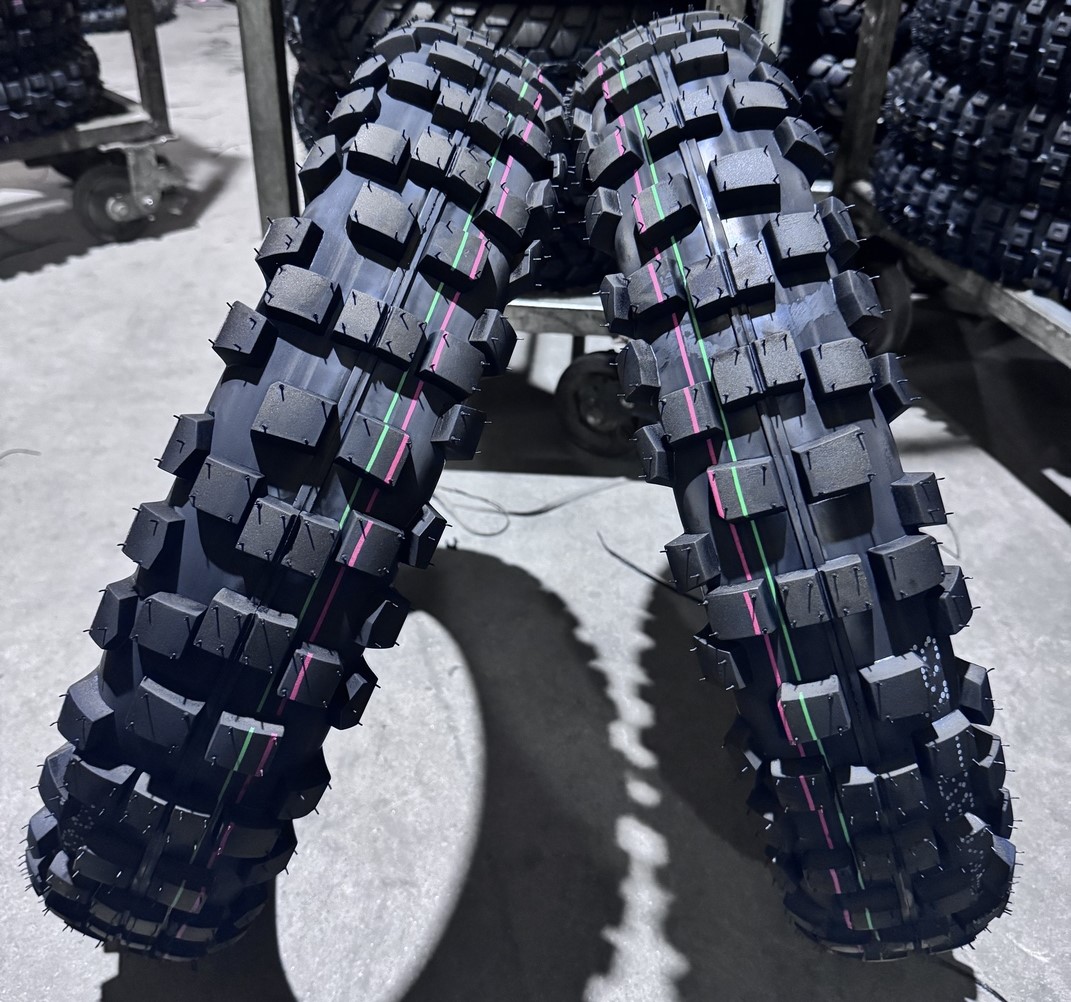
Motorcycle tires are not always interchangeable between the front and rear wheels.
When building a product portfolio, importers should therefore record front and rear applications separately.
A useful internal product sheet can include:
| Product | Size | Position | Construction | Pattern | Target Application |
|---|---|---|---|---|---|
| Motorcycle Tire | Required size | Front | TT/TL | Selected pattern | Street |
| Motorcycle Tire | Required size | Rear | TT/TL | Selected pattern | Street |
| Scooter Tire | Required size | Front | TT/TL | Selected pattern | Scooter |
| Scooter Tire | Required size | Rear | TT/TL | Selected pattern | Scooter |
This makes it easier for the purchasing team to compare products and identify gaps in the product range.
6. Match the Product Range to the Target Market
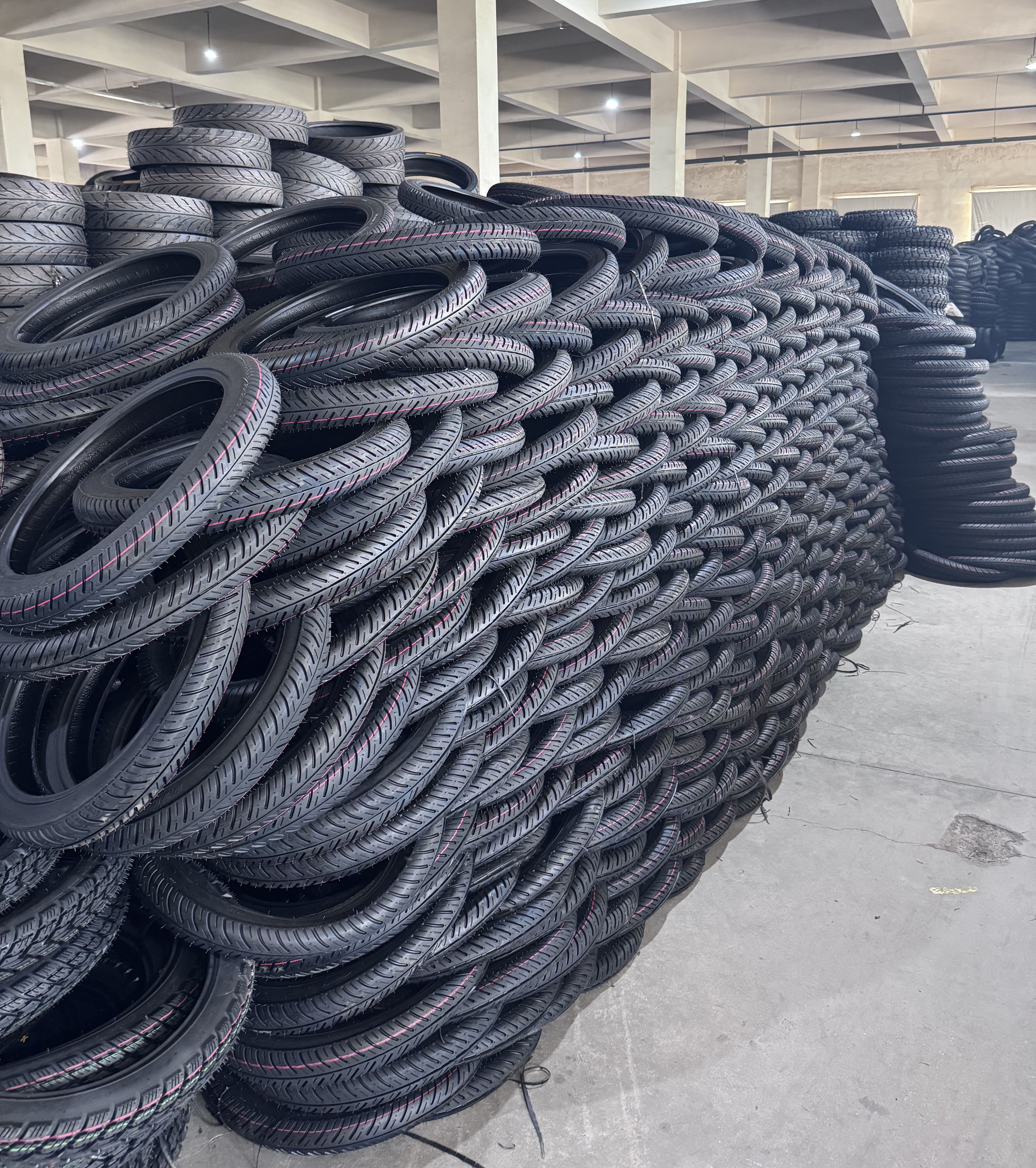
A motorcycle tire range for Mexico does not necessarily need to be identical to one for Colombia, Brazil, Chile or another market.
Even within Latin America, motorcycle usage, vehicle populations, road conditions and purchasing preferences can differ.
Therefore, importers should avoid creating a “Latin America product list” based only on general assumptions.
Instead, divide the market into individual countries and analyze:
Motorcycle Demand
Which motorcycle categories are common?
Tire Replacement Demand
Which sizes are frequently replaced?
Road Conditions
Are customers mainly using motorcycles on paved roads, rural roads or mixed terrain?
Commercial Use
Are motorcycles heavily used for delivery or other commercial activities?
Price Positioning
Does the market primarily require economy, mid-range or premium products?
Regulatory Requirements
What product standards and import requirements apply to the destination market?
This market-specific approach can help distributors build a more realistic product portfolio.
7. Use Your Supplier's Product Range to Fill Portfolio Gaps
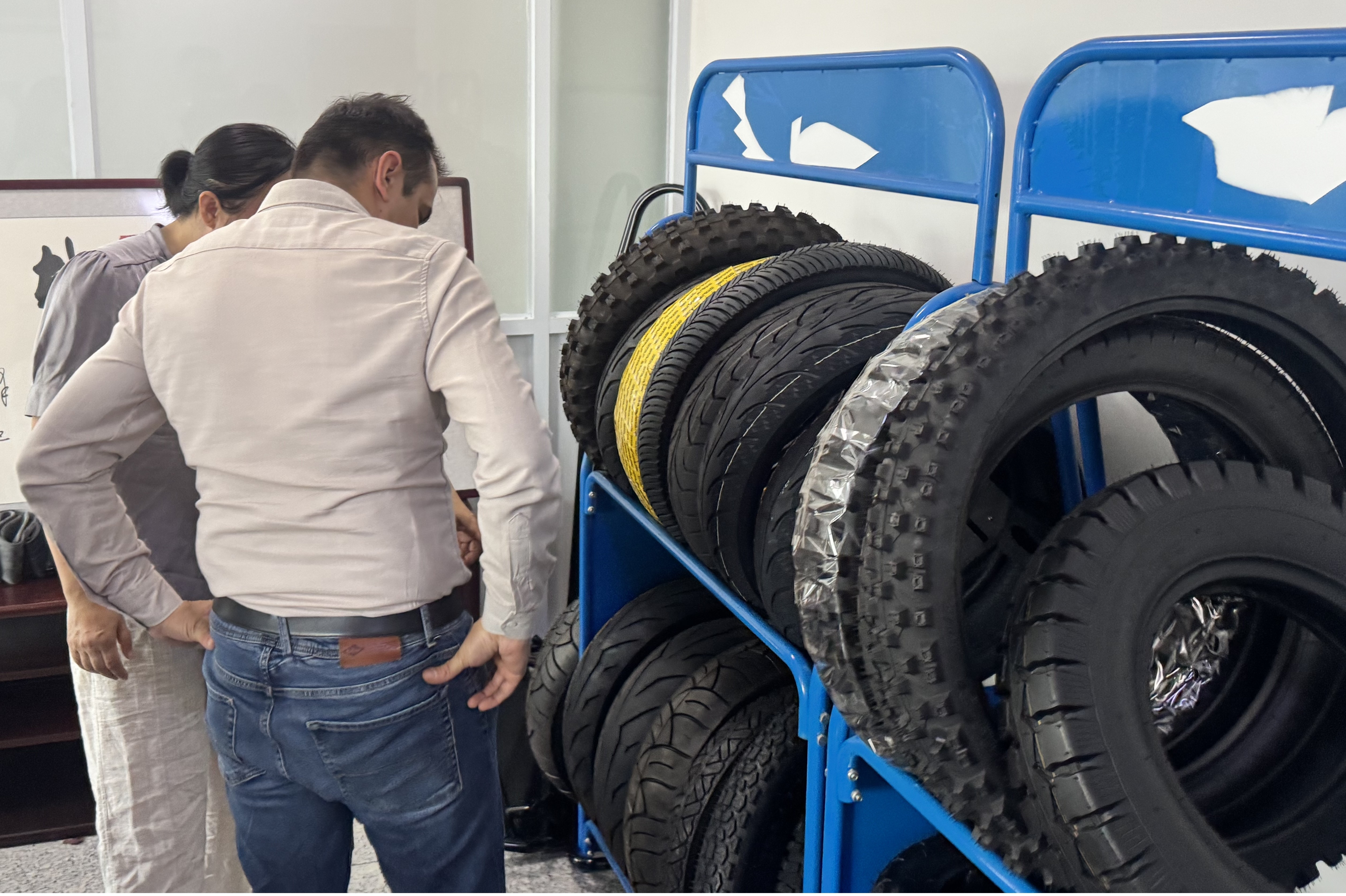
Once an importer has identified the target products, the next question is whether one manufacturer can supply enough of the required range.
Working with a manufacturer that can provide multiple motorcycle tire applications can simplify sourcing.
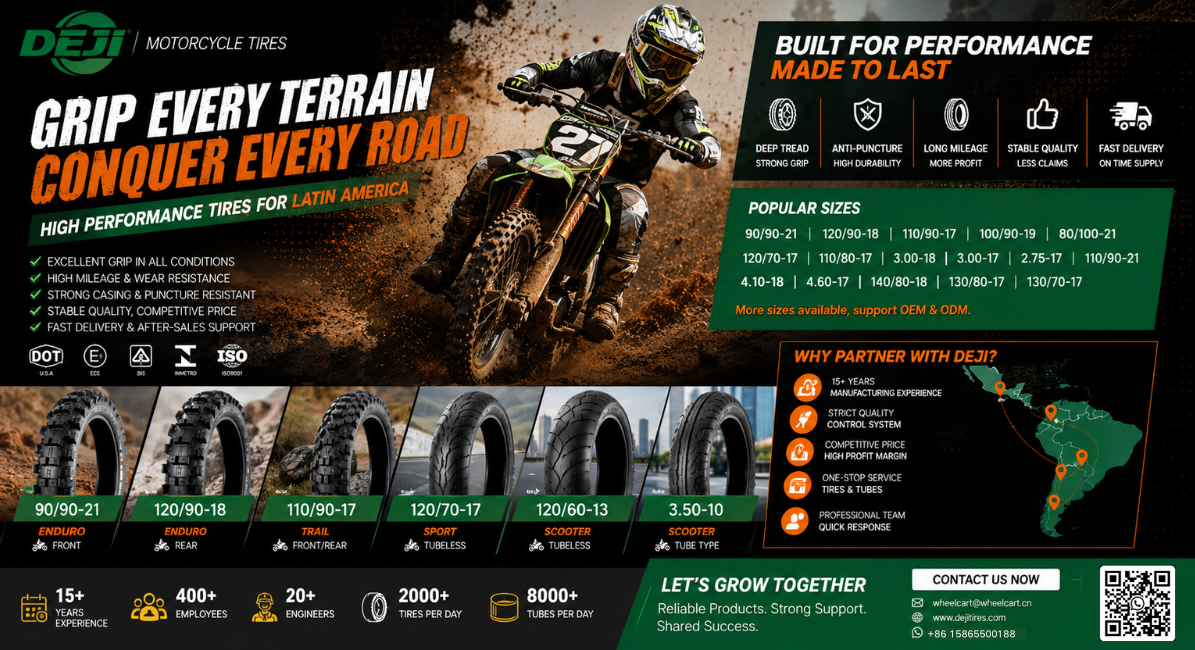
DEJI TIRE's current product portfolio includes:
-
Motorcycle Tires
-
Motorcycle Tyres
-
Scooter Tires
-
ATV Tires
-
Bicycle Tires
-
Motorcycle Inner Tubes
The exact available sizes, constructions and patterns depend on the current product range and customer requirements.
For distributors, a broader manufacturing portfolio can make it easier to discuss several product categories with one supplier instead of managing separate sourcing relationships for every product.
8. MOQ Should Be Considered When Building the Product Range
Product selection and purchasing quantity are closely connected.
A distributor may identify many potentially useful tire sizes, but ordering every size in large quantities may create unnecessary inventory pressure.
DEJI TIRE's standard motorcycle tire MOQ is generally 300 pieces per size or pattern.
For mixed-size orders, the final arrangement should be confirmed according to the product mix, quantities and loading plan.
This means buyers can discuss their planned product portfolio with the manufacturer before finalizing the order.
A practical purchasing plan may therefore separate:
High-demand sizes → Larger initial quantity
Medium-demand sizes → Controlled quantity
New or uncertain sizes → Samples or smaller market testing where commercially applicable
The final order should always be based on the buyer's market research and the supplier's confirmed commercial terms.
9. Samples Can Help Test a New Product Range
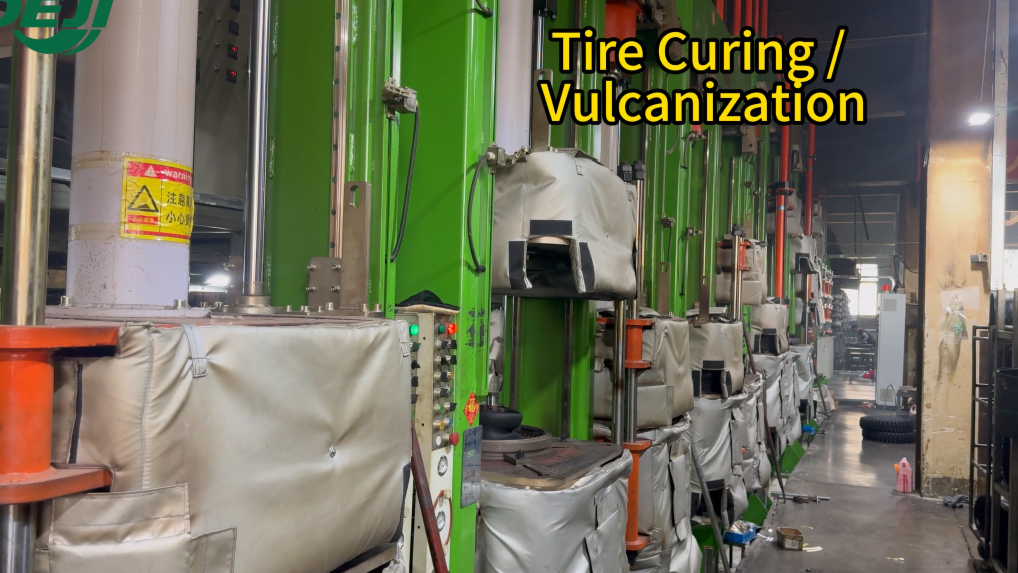
When entering a new market or adding a new supplier, samples can be useful before committing to a larger order.
A sample evaluation may include:
-
Appearance
-
Tire dimensions
-
Tread pattern
-
Sidewall markings
-
Construction
-
Weight
-
Mounting evaluation
-
Application suitability
-
Required technical documentation
DEJI TIRE accepts samples for product evaluation, with sample pricing and shipping arrangements depending on the selected product and destination.
For importers, the purpose of sampling is not simply to check whether a tire looks good.
It is to verify whether the actual product corresponds with the specification discussed during sourcing.
10. Build the Product Range in Stages
A new distributor does not necessarily need to launch with the largest possible catalogue.
A staged approach can be more practical.
Stage 1: Core Products
Start with the sizes and applications supported by your market research.
Stage 2: Product Expansion
Add supporting sizes when customer demand becomes clearer.
Stage 3: Brand Development
Introduce private-label products or customized packaging when the sales volume justifies further investment.
Stage 4: OEM Development
For larger or longer-term projects, discuss customized tread patterns, branding, new molds or other product-development requirements with the manufacturer.
This approach allows the product range to develop together with the market.
11. Private Label Changes the Way You Build a Tire Portfolio
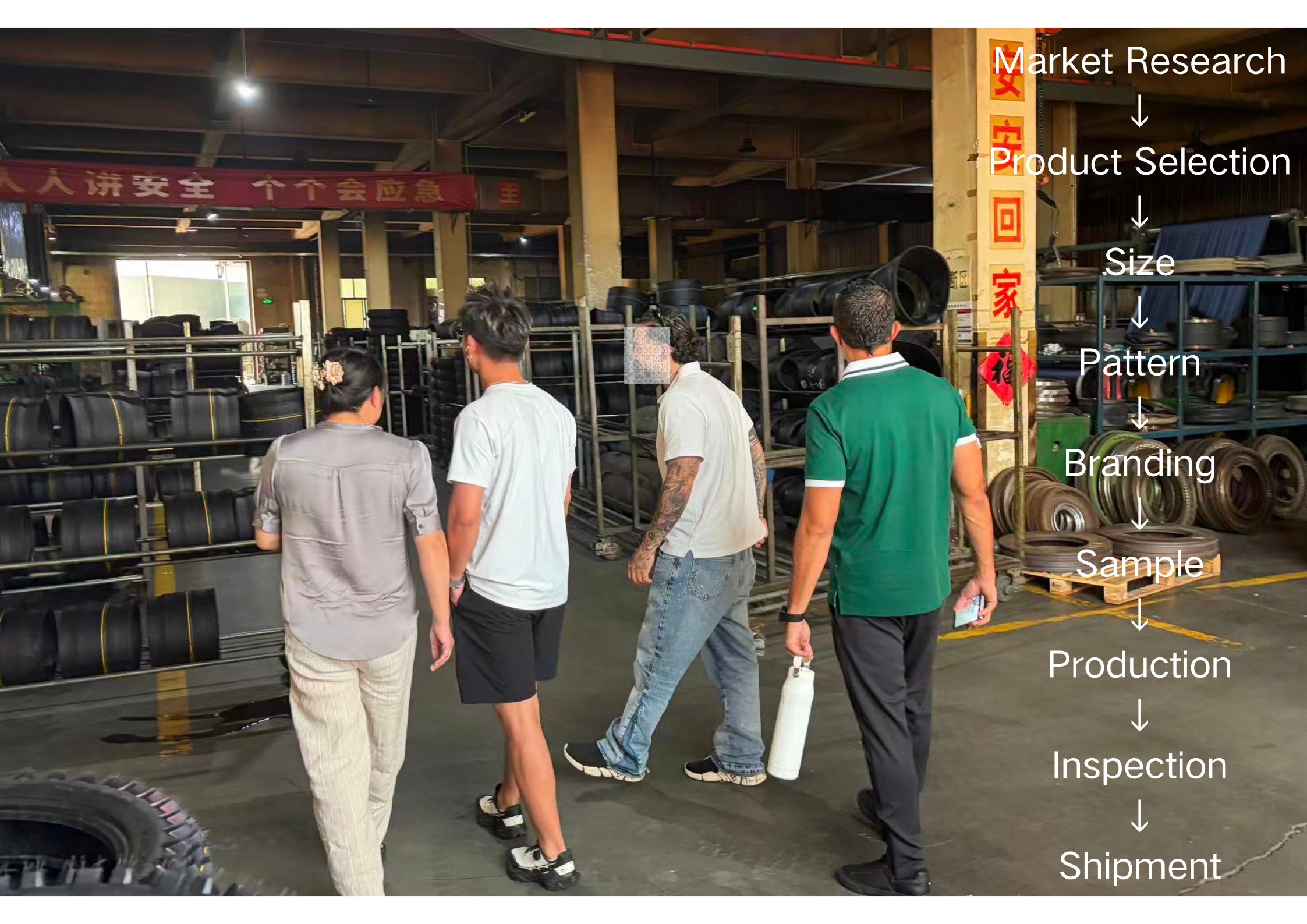
For a distributor selling products under its own brand, product selection becomes more strategic.
The project may involve:
Market Research
↓
Product Selection
↓
Tire Size
↓
Tread Pattern
↓
Construction
↓
Sidewall Branding
↓
Packaging
↓
Sample
↓
Production
↓
Inspection
↓
Shipment
Not every private-label project requires a completely new tire pattern.
If an existing product is suitable, the project may be based on an existing pattern with agreed branding and packaging requirements.
If the customer requires a new tread pattern or product design, new development and tooling may be required.
The exact process should therefore be discussed with the manufacturer based on the project requirements.
12. Production Capacity Matters When Your Product Range Grows
Product selection is only the first step.
Once a distributor develops a successful tire range, repeat supply becomes increasingly important.
DEJI TIRE currently states production capacity of up to:
20,000 Motorcycle Tires per Day
and:
80,000 Inner Tubes per Day
The company also states that it operates with 20+ professional technical specialists and 3 senior engineers.
Actual output depends on product mix, production scheduling and factory operating conditions.
For an importer, the relevant question is therefore not simply:
“How many tires can the factory produce?”
It is also:
“Can this supplier support the product mix and repeat-order requirements of my business?”
This is why production capacity should be evaluated together with product range, quality management, lead time and communication.
13. Product Range Planning Should Be Connected to Supply Planning
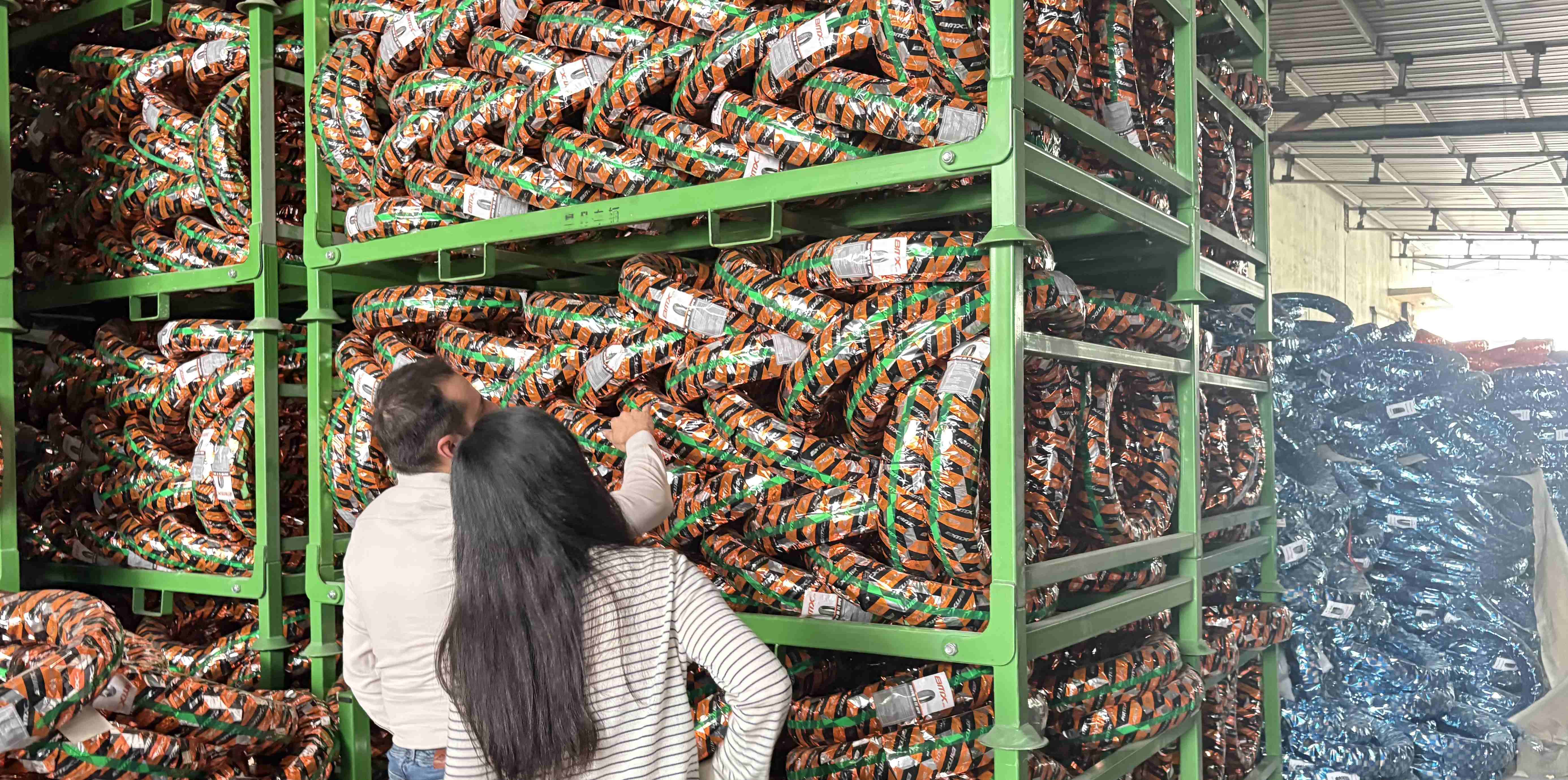
A common purchasing mistake is to plan the product list first and think about supply afterward.
The two should be connected.
For each important SKU, a distributor should know:
-
Required quantity
-
Expected purchasing frequency
-
Supplier MOQ
-
Production lead time
-
Packaging requirement
-
Available pattern
-
OEM requirement
-
Target market
-
Expected sales volume
This information allows the purchasing team to identify which products should be regularly stocked and which products should be ordered according to demand.
For long-term cooperation, this information can also help the manufacturer understand the buyer's purchasing plan.
14. What Should a Motorcycle Tire Importer Send to a Manufacturer?
A detailed inquiry can make product selection and quotation much more efficient.
Instead of sending only:
“Please send your motorcycle tire catalogue.”
A buyer can provide:
Target Country:
Mexico / Colombia / Brazil / etc.
Required Sizes:
For example, 2.75-18, 3.00-18, 110/90-16, etc.
Quantity:
Estimated quantity for each size.
Position:
Front / Rear / Both.
Construction:
Tube Type / Tubeless.
Pattern:
Existing pattern or preferred design.
Brand:
Manufacturer's brand / Private Label.
Packaging:
Standard / Customized.
Target Market:
Commuter / Delivery / Street / Adventure / Off-road.
With this information, the manufacturer can provide a much more relevant response.
15. How DEJI TIRE Can Support Product Range Development
DEJI TIRE is a motorcycle tire and inner tube manufacturer based in Qingdao, China.
Founded in 2009, the company provides tire products for international markets and supports OEM and ODM cooperation.
DEJI's current product portfolio includes motorcycle tires, scooter tires, ATV tires, bicycle tires and motorcycle inner tubes.
For international distributors and importers, DEJI can discuss:
-
Motorcycle tire sizes
-
Front and rear applications
-
Tube Type and Tubeless products
-
Tread pattern selection
-
Product samples
-
Sidewall branding
-
Packaging customization
-
OEM and ODM projects
-
New mold development
-
Bulk production
-
International supply
The actual product availability, MOQ, production schedule and customization requirements should be confirmed according to the specific project.
Building a Motorcycle Tire Range Is a Market Decision, Not Just a Purchasing Decision
A successful motorcycle tire product range should connect four areas:
Market Demand
Product Specification
Supply Capability
Long-Term Purchasing Plan
For importers and distributors, the goal is not to purchase the largest number of tire sizes.
The goal is to build a product portfolio that meets customer demand while remaining practical to stock, sell and replenish.
This is especially important when developing motorcycle tire distribution businesses in Latin America and other international markets.
DEJI TIRE works with importers, wholesalers, distributors and private-label brands to discuss motorcycle tire sourcing, product selection, OEM/ODM requirements and bulk supply.
If you are planning a new motorcycle tire product range, send us:
Target Market + Required Tire Sizes + Quantities + Front/Rear Application + OEM Requirements
Our team can review the requirements and discuss suitable DEJI motorcycle tires and tyres for your project.
Frequently Asked Questions
How many motorcycle tire sizes should an importer stock?
There is no universal number. The appropriate range depends on local motorcycle models, replacement demand, customer applications, inventory capacity and supplier MOQ.
How should I choose motorcycle tire sizes for a new market?
Start with local motorcycle models and replacement demand, then match the required tire sizes, front/rear applications, construction and intended use.
Should I buy every available motorcycle tire size from one supplier?
Not necessarily. A focused core range is usually more practical than purchasing large quantities of every available size.
Can one motorcycle tire manufacturer supply multiple sizes?
Yes, depending on the manufacturer's product portfolio and available tooling. Buyers should request the current size and pattern range directly from the manufacturer.
What information should I send when asking for a motorcycle tire quotation?
Send the tire sizes, quantities, front/rear application, Tube Type or Tubeless requirement, target market, tread preference and OEM or packaging requirements.
What is DEJI TIRE's motorcycle tire MOQ?
DEJI TIRE's standard motorcycle tire MOQ is generally 300 pieces per size or pattern. Actual requirements should be confirmed for the specific order.
Can DEJI TIRE support private-label motorcycle tires?
Yes. Applicable OEM and ODM projects can include branding, sidewall requirements, packaging, existing-pattern products and, where required, new product development.
Can DEJI TIRE supply Latin American distributors?
DEJI TIRE provides international motorcycle tire supply and OEM/ODM support. Buyers should provide their target country, required sizes and quantities so suitable products can be discussed.
 DEJI TIRE
Motorcycle Tire & Tyre Manufacturer in China
OEM & ODM | Factory Supply | Global Export
Qingdao DEJI Wheelcart Co., Ltd.
118# Douloushan Road, Lingang Development Area, Huangdao District, Qingdao, China
Website: www.wheelcart.cn
Motorcycle Tire Inventory Planning: How Importers Can Manage Stock and Reorders
How DEJI TIRE Controls Motorcycle Tire Quality from Production to Finished Product