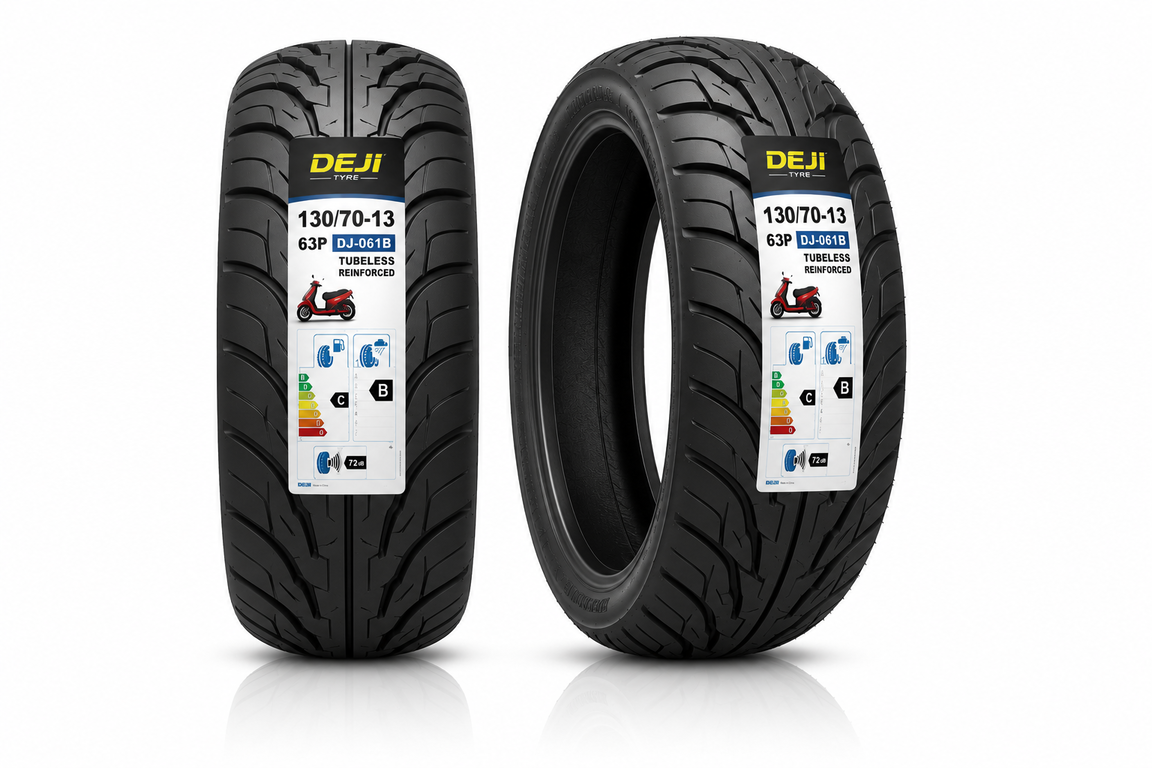

Motorcycle Tire Inventory Planning: How Importers Can Manage Stock and Reorders

Motorcycle Tire Inventory Planning: How Importers Can Manage Stock and Reorders
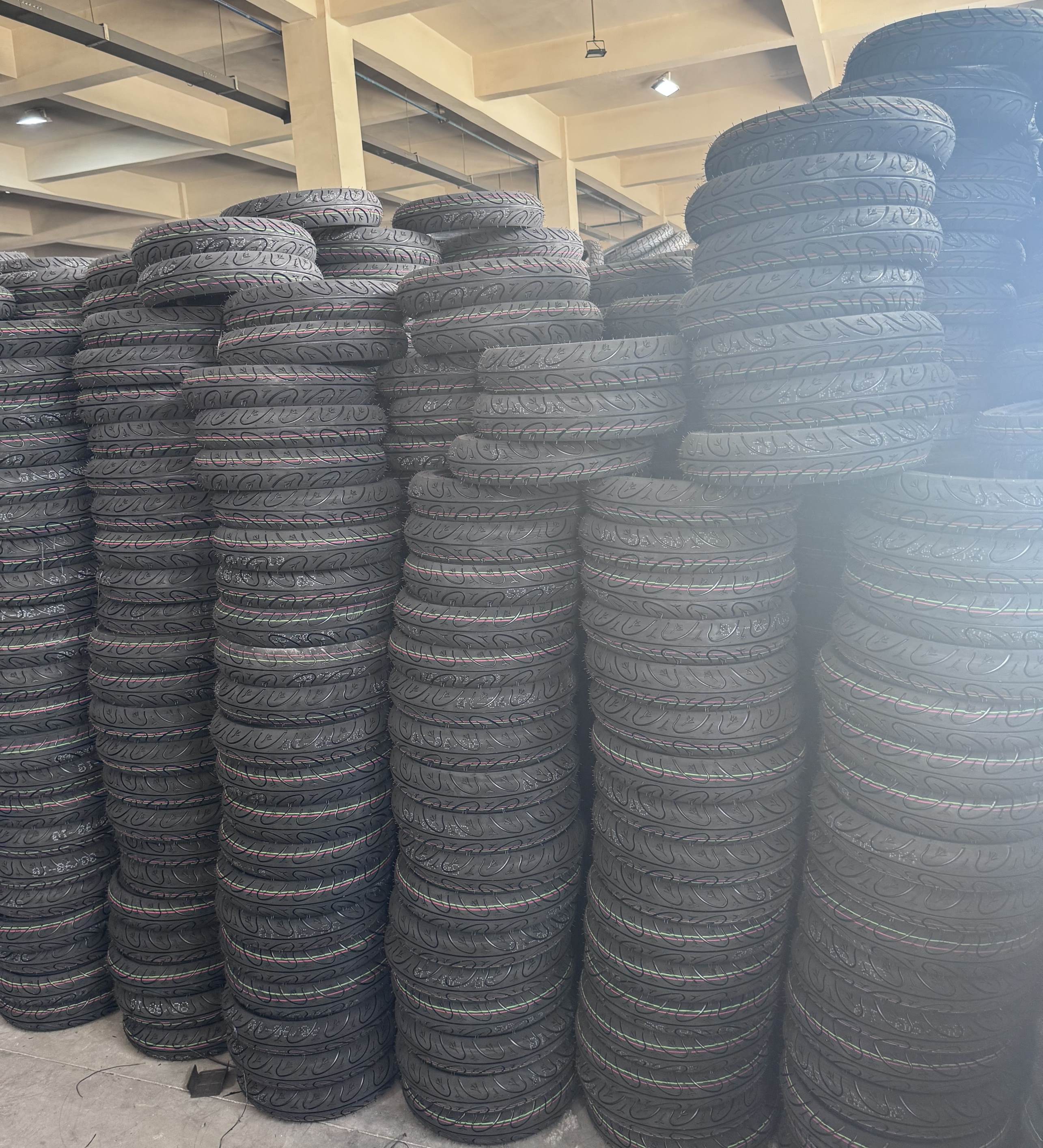
For motorcycle tire importers, wholesalers and distributors, inventory planning is about more than keeping enough products in the warehouse. It requires balancing product availability, purchasing costs, supplier lead times, minimum order quantities and actual market demand.
Ordering too many motorcycle tires can tie up working capital and warehouse space. Ordering too few can lead to stockouts, delayed customer deliveries and lost sales.
A practical motorcycle tire inventory planning system helps distributors decide which tire sizes to stock, when to reorder and how much to purchase.
For businesses sourcing motorcycle tires and tyres from China, these decisions should be connected to the supplier's available products, production schedule, MOQ and OEM requirements.
This guide explains how motorcycle tire importers can develop a more structured stock management and replenishment plan.
1. Start with Sales Data, Not Guesswork
The first step in motorcycle tire inventory planning is understanding which products actually sell.
A distributor may carry dozens of tire sizes and tread patterns, but demand is rarely equal across the entire product range.
Some sizes may sell every week, while others may be purchased only occasionally. Some products may experience seasonal demand, while others may be required regularly by motorcycle repair shops and parts retailers.
Before placing a new wholesale order, review the available sales records.
Useful information includes:
-
Sales quantity by tire size
-
Sales quantity by tread pattern
-
Monthly sales trends
-
Number of repeat orders
-
Current warehouse stock
-
Outstanding customer orders
-
Products frequently requested but unavailable
-
Products that have remained in stock for an extended period
For example, a distributor selling motorcycle tires in Mexico, Colombia or Brazil should analyze its own sales by size and customer segment rather than assume that the same tire sizes will sell equally well in every country.
Local motorcycle models, replacement demand, customer preferences and distribution channels can all influence purchasing decisions.
Practical recommendation: Start with the last six to twelve months of sales data if available. Compare recent performance with the same period in the previous year when seasonality may be relevant. If historical data is limited, begin with a smaller, carefully monitored purchasing plan and improve it as actual sales information accumulates.
2. Classify Motorcycle Tire SKUs by Business Importance
SKU means stock keeping unit. In motorcycle tire distribution, each distinct product specification or sellable variant may need its own inventory record.
For example, different tire sizes, tread patterns or constructions may need to be tracked separately, depending on how the distributor manages its catalogue.
A useful starting point is to divide products into three practical groups.
Group A: Core Products
These are the SKUs that contribute a significant share of sales, generate frequent repeat orders or are important to key customers.
Core products generally deserve closer stock monitoring because running out may affect regular business.
Group B: Supporting Products
These products have steady but more moderate demand. They help distributors serve a wider range of customers without necessarily requiring the same inventory investment as core products.
Group C: Slow-Moving or Special-Order Products
These products may have irregular demand, limited customer coverage or higher uncertainty.
Depending on their importance, distributors may choose to keep a small quantity, order them when requested or consolidate purchases to meet supplier requirements.
A common inventory analysis method is ABC analysis, which classifies products by their contribution to a chosen measure, such as annual sales value. It should not be treated as a substitute for checking customer importance, stockout risk or product availability.
For motorcycle tire distributors, a low-volume product may still be strategically important if it is required by a major customer or completes a key product range.
The purpose is not simply to eliminate slow-moving products. It is to understand how much inventory attention each SKU deserves.
3. Calculate When to Reorder Motorcycle Tires
A reorder point helps a distributor determine when to place a replenishment order.
A simple starting formula is:
Reorder Point = Average Daily Demand × Replenishment Lead Time + Safety Stock
Average daily demand is the average quantity sold per day during the selected measurement period.
Replenishment lead time is the time between placing an order and having the goods available for sale. For imported tires, this may include production, preparation, shipping, customs clearance and inland transportation, depending on the purchasing arrangement.
Safety stock is additional inventory held to protect against unexpected demand or delays.
Example: A Distributor Importing Motorcycle Tires
Suppose a distributor sells an average of 20 tires per day for a particular SKU. Its estimated replenishment lead time is 45 days, and it decides to maintain 150 tires as safety stock.
The reorder point would be:
20 × 45 + 150 = 1,050 tires
When the inventory position approaches 1,050 tires, the distributor should review whether a new order needs to be placed.
This is an illustrative calculation, not a recommended stock level for every motorcycle tire business. Actual demand, lead time, order frequency and risk tolerance will differ.
For products with irregular sales, distributors should use a suitable demand estimate rather than blindly applying a daily average.
Why Inventory Position Matters
Do not look only at the physical quantity currently in the warehouse.
A more useful measure is:
Inventory Position = On-Hand Stock + Confirmed Incoming Stock − Outstanding Demand
For example, a warehouse may physically contain 1,200 tires, but 300 are already allocated to customer orders and another 200 are expected from a confirmed incoming shipment.
The inventory decision should account for those commitments rather than treating all warehouse stock as freely available.
4. Include Supplier Lead Time in Your Purchasing Plan
For importers buying motorcycle tires from China, supplier lead time is an important part of inventory planning.
However, lead time should not be treated as one universal number for every product.
It can depend on whether the required tire is an existing product, whether the requested tread pattern is available, whether private-label branding is needed and whether new tooling or development is required.
Before confirming a replenishment order, ask the supplier to clarify:
-
Whether the required size and pattern are currently available
-
Whether the product requires new production
-
Whether customized sidewall branding is required
-
Whether packaging needs to be customized
-
Whether the order requires a new mold or product development
-
The expected production schedule
-
The shipping arrangement and estimated transit time
Production time and transportation time are not the same. A factory's production estimate does not automatically represent the date when imported stock will be ready for sale.
DEJI TIRE's motorcycle tire manufacturing guide explains the main stages of tire manufacturing, from material preparation and tire building to curing, inspection and shipment preparation.
Understanding these stages can help importers ask more precise questions when planning replenishment.
5. Balance MOQ with Actual Market Demand
Minimum order quantity can affect how much inventory a distributor must purchase, particularly when several tire sizes are needed.
A supplier's MOQ may apply per size, per tread pattern or according to the specific product and customization arrangement. Buyers should confirm the actual terms before building their purchase plan.
Suppose a distributor's reorder calculation indicates that it needs 180 pieces of a particular motorcycle tire size, but the supplier's confirmed MOQ for that product is 300 pieces.
The distributor has several options to evaluate:
-
Check whether the SKU's sales forecast supports ordering 300 pieces.
-
Review whether another upcoming purchase can be combined with the order.
-
Ask whether an existing product or alternative agreed specification is available under different order conditions.
-
Compare the cost of carrying additional inventory with the commercial benefit of placing the order.
-
If the product is slow-moving, consider whether it should remain a regularly stocked item or become a special-order product.
The right decision depends on demand, available cash, storage capacity, supplier conditions and the importance of the product to customers.
Do not assume that a larger order is automatically more economical. Any potential unit-price saving should be compared with storage costs, capital tied up in inventory and the risk of products remaining unsold.
For more details on preparing a purchasing list and comparing supplier quotations, see DEJI TIRE's Motorcycle Tire Sourcing Guide: How to Buy from China.
6. Manage OEM Motorcycle Tire Inventory Separately
Private-label and OEM motorcycle tire projects may require additional planning compared with standard products.
An OEM order may involve agreed product specifications, tread patterns, sidewall branding, packaging and other project-specific requirements.
These details can affect the order schedule and the ease of replenishment.
Distributors developing their own tire brands should establish a clear record for each customized product, including:
-
Approved product specification
-
Approved tread pattern and product reference
-
Branding and sidewall requirements
-
Packaging artwork and version
-
Confirmed MOQ
-
Agreed production lead time
-
Required quality and inspection documentation
-
Reorder history and sales performance
Before ordering again, verify that the new purchase matches the previously approved specification and branding requirements.
If a change is needed, obtain confirmation before production begins.
This is particularly important when a distributor is expanding its private-label range across several tire sizes.
DEJI TIRE supports OEM and ODM cooperation for applicable projects. Buyers can review the company's OEM motorcycle tire ordering guide to understand the information that should be clarified before a customized order is confirmed.
7. Plan Motorcycle Tires and Inner Tubes Together When Appropriate
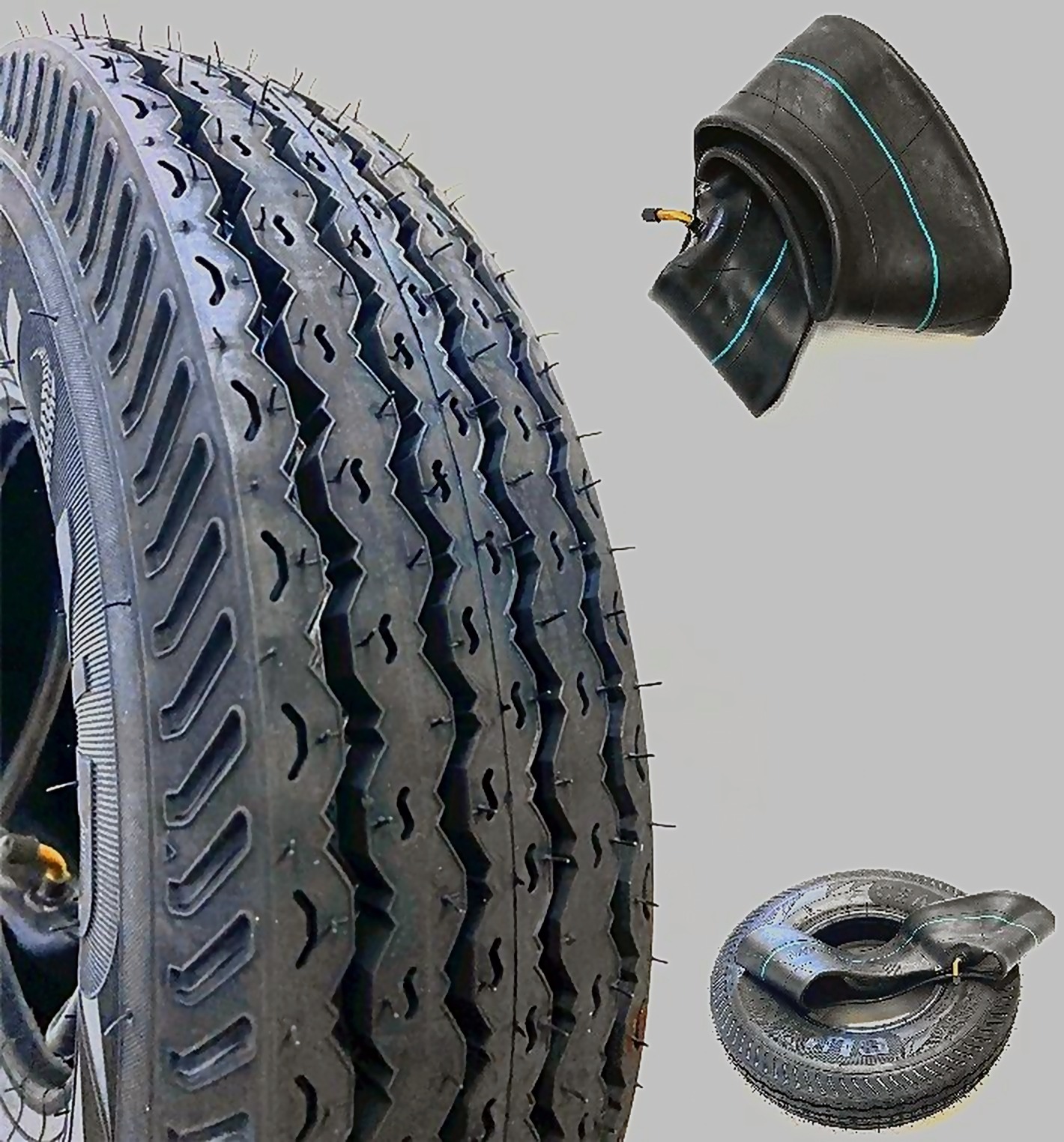
For product ranges that use tube-type motorcycle tires, inner tube availability can be an important part of the distributor's inventory plan.
However, not every tire requires a separate inner tube. Buyers must first confirm the tire construction and compatible wheel system.
When inner tubes are required, distributors can review tire sales and tube sales together to identify possible mismatches.
For example:
-
Are customers frequently purchasing a tube-type tire but requesting a compatible inner tube at the same time?
-
Are particular inner tube sizes selling more slowly than the corresponding tire products?
-
Are tube stockouts affecting the ability to fulfil complete customer orders?
-
Are the tire and tube specifications confirmed to be compatible?
Do not assume that every tire size automatically matches an inner tube with a similar-looking size label. Confirm compatibility using the relevant product specifications.
For suppliers that offer both product categories, discussing tire and tube requirements together may help buyers coordinate their purchase planning.
DEJI TIRE supplies motorcycle tires and inner tubes, allowing buyers to discuss relevant product requirements with the same manufacturer where suitable products are available.
8. Monitor Slow-Moving Stock Before It Becomes a Problem
Inventory problems do not always begin with stockouts. Excess inventory can also create financial pressure.
A slow-moving tire may occupy warehouse space and tie up purchasing capital long after its original order.
Distributors should regularly review:
-
How long each SKU has remained in stock
-
Whether sales have slowed compared with the forecast
-
Whether customer demand has changed
-
Whether the product is linked to a particular motorcycle model or application
-
Whether the product is still appropriate for the target market
-
Whether future purchases can be reduced or delayed
Before placing another order, compare the remaining stock with expected demand during the next replenishment period.
If stock is already sufficient, a new order may not be necessary even if the product is available at an attractive price.
For products that consistently sell slowly, consider reducing the stocked quantity, purchasing less frequently or reviewing whether the SKU should remain part of the standard product range.
The goal is not to maintain the largest possible inventory. It is to maintain the inventory that supports customer demand without unnecessarily restricting working capital.
9. Create a Simple Monthly Inventory Review
A practical inventory system does not need to start with complicated software.
A spreadsheet can help a small or growing distributor organize its motorcycle tire inventory.
Consider tracking these fields for every SKU:
| Inventory field | Why it matters |
|---|---|
| Product size and reference | Identifies the correct SKU |
| Tread pattern and construction | Prevents products with different specifications from being treated as identical |
| Opening stock | Establishes the starting quantity |
| Sales during the period | Measures actual demand |
| Confirmed incoming quantity | Tracks stock already ordered |
| Outstanding customer orders | Identifies committed stock |
| Average daily demand | Supports replenishment calculations |
| Supplier lead time | Helps estimate when to reorder |
| Safety stock | Provides a buffer against uncertainty |
| Reorder point | Triggers a purchasing review |
| Confirmed MOQ | Helps determine a practical order quantity |
| Last order date | Supports purchasing-history analysis |
| Stock age | Helps identify slow-moving inventory |
Review the information at least monthly, with more frequent checks for high-volume products.
When demand changes quickly, update the forecast and reorder point rather than relying on an outdated purchasing plan.
The most important principle is consistency: use the same product references, record sales accurately and confirm incoming orders with the supplier.
10. How DEJI TIRE Can Support Long-Term Purchasing Plans
DEJI TIRE is a tire manufacturer based in Qingdao, China, serving international buyers with tire products and applicable OEM/ODM services.
According to the company's current published information, DEJI has two factories and states a production capacity of up to 20,000 motorcycle tires per day and 80,000 inner tubes per day. Actual output depends on the product mix and production schedule.
The company also identifies a technical team of more than 20 specialists and three senior engineers.
For importers, wholesalers, distributors and private-label brands, these capabilities provide a starting point for discussions about product availability, manufacturing requirements and planned replenishment.
However, a published daily production capacity should not be interpreted as a guarantee that every size or pattern is immediately available. Buyers should confirm the actual product, MOQ, schedule and shipment arrangements for each order.
To discuss a motorcycle tire replenishment plan with DEJI TIRE, prepare the following information:
-
Required tire sizes and product references
-
Preferred tread patterns and construction
-
Recent sales or estimated demand by size
-
Current inventory and planned order quantity
-
Target country and expected delivery schedule
-
OEM branding and packaging requirements, if applicable
This information helps the supplier understand the purchasing requirement and check suitable products and order arrangements.
Frequently Asked Questions
How much motorcycle tire stock should an importer keep?
There is no single stock quantity suitable for every importer. Start with sales demand, replenishment lead time, supplier MOQ, safety stock and the importance of each SKU. Review the figures regularly as actual sales change.
When should a motorcycle tire distributor reorder?
A distributor can use a reorder point based on average demand during replenishment lead time plus safety stock. The inventory position should also account for confirmed incoming stock and outstanding customer orders.
How does MOQ affect motorcycle tire inventory planning?
MOQ can require a distributor to purchase more units than its immediate demand. Before ordering, compare the required quantity with the sales forecast, storage capacity, available capital and supplier conditions.
Should slow-moving motorcycle tire sizes be stocked?
That depends on customer demand and business importance. A product with irregular sales may be managed as a special-order item, while a low-volume product that is essential to a key customer may still justify holding some stock.
How should importers manage OEM motorcycle tire stock?
Maintain an approved specification and branding record for each customized SKU. Confirm the latest packaging, product requirements, MOQ and production schedule before placing repeat orders.
Can DEJI TIRE help importers plan motorcycle tire orders?
DEJI TIRE can discuss product requirements, applicable OEM/ODM projects and supply arrangements with international buyers. Importers should provide their target market, required sizes, estimated quantities and specifications so the team can check suitable options.
Build a More Practical Motorcycle Tire Purchasing Plan
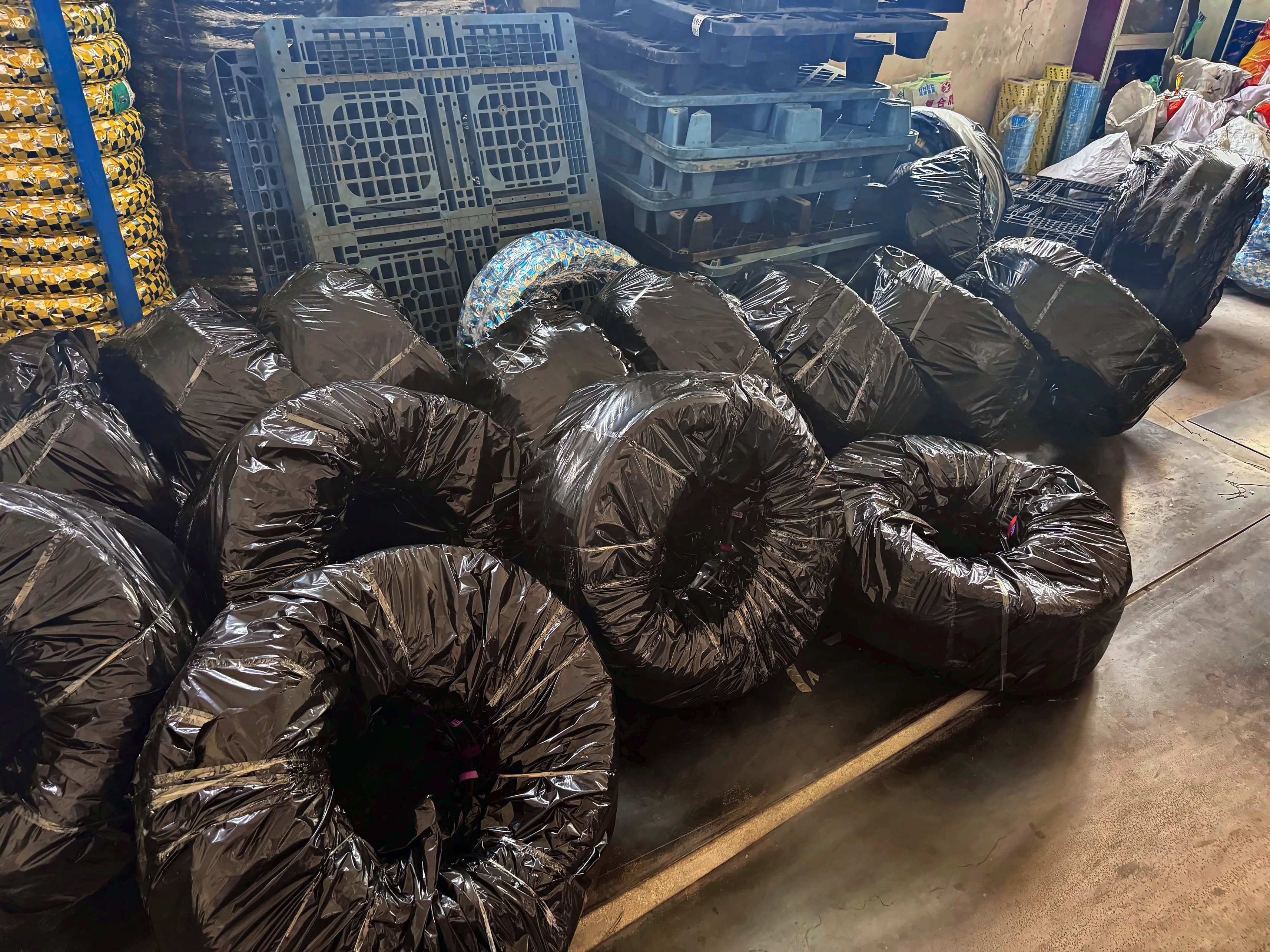
Effective motorcycle tire inventory planning connects sales demand, product selection, supplier lead time, MOQ and working capital.
For distributors and importers, the goal is to keep the right products available while avoiding unnecessary inventory accumulation.
Start by identifying your core SKUs, calculating when replenishment is needed and reviewing stock regularly. Then coordinate the purchasing plan with a supplier that can confirm the required products and production arrangements.
DEJI TIRE welcomes inquiries from motorcycle tire importers, wholesalers, distributors and private-label brands seeking a manufacturing partner in China.
Share your required tire sizes, target country, estimated order quantities and OEM requirements to discuss suitable products and supply options.
DEJI TIRE
Motorcycle Tire & Inner Tube Manufacturer in China
OEM & ODM | Factory Supply | International B2B Cooperation
Website: https://www.wheelcart.cn/
Motorcycle Tire Load Index and Speed Rating: A Guide for Importers
How to Build the Right Motorcycle Tire Product Range for Your Market