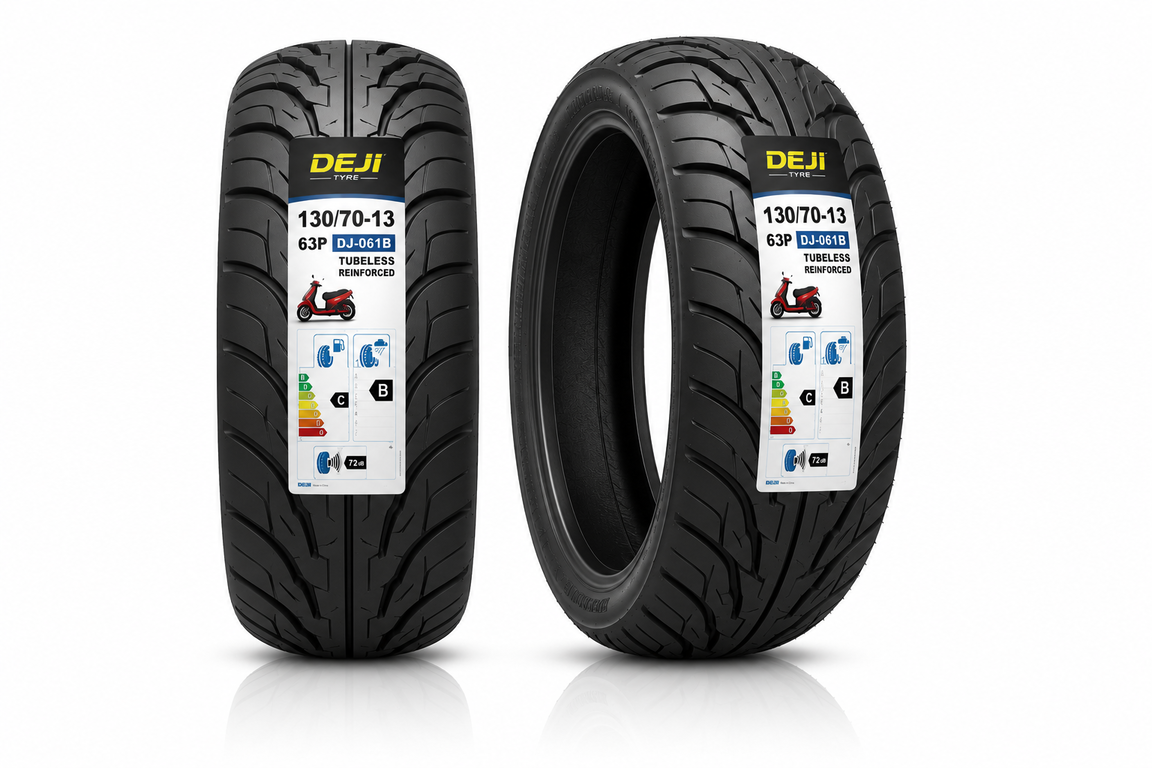

Motorcycle Tire Sourcing Guide: How to Buy from China
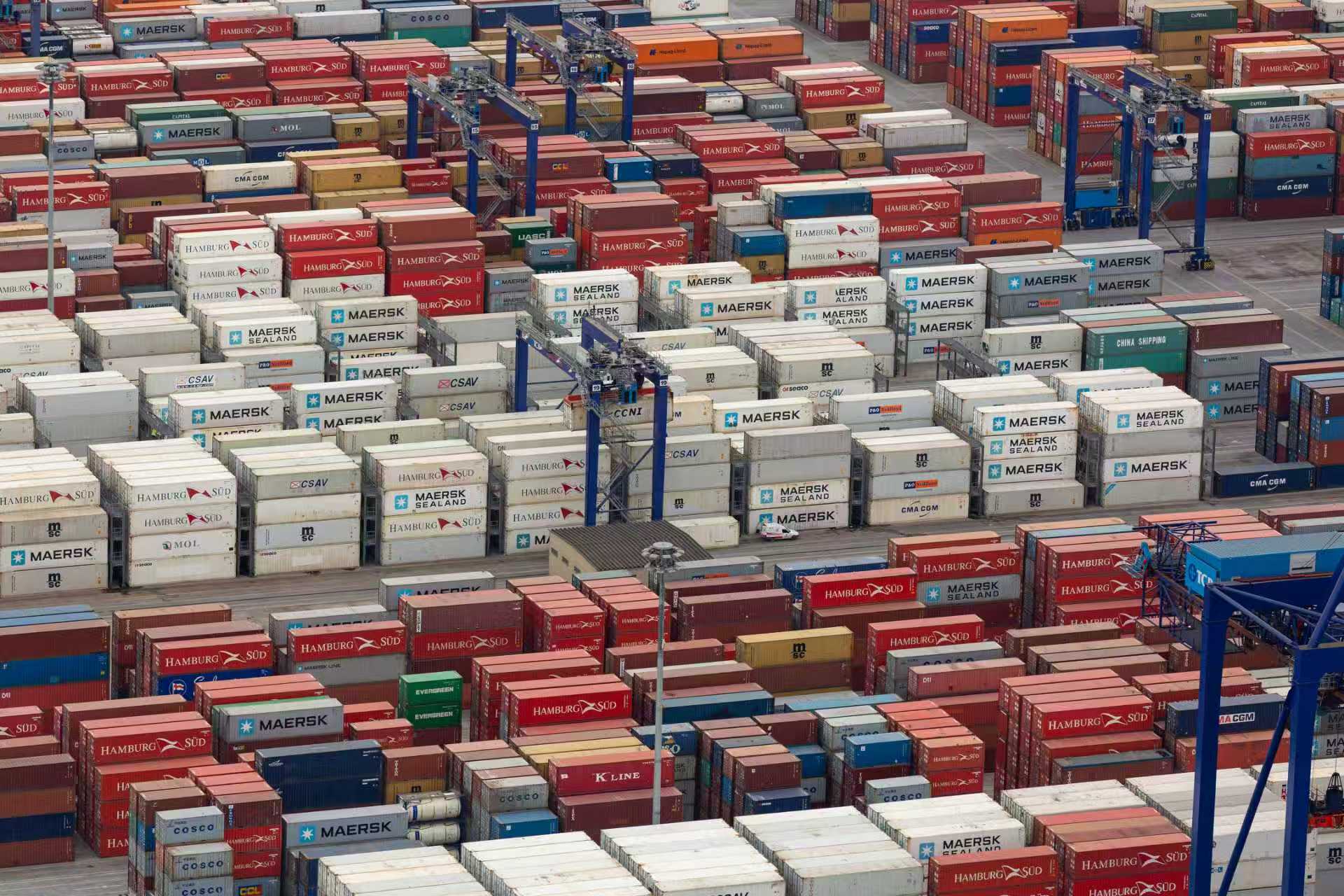
Supplier Evaluation | Product Matching | Quotation Comparison | OEM & ODM | Bulk Purchasing
Buying motorcycle tires from China can be straightforward when buyers know how to evaluate suppliers, compare quotations and confirm product requirements before placing an order.
For motorcycle tire importers, wholesalers, distributors and private-label brands, the biggest challenge is often not finding a supplier. It is deciding which supplier can match the required products, commercial conditions and long-term purchasing needs.
This guide provides a practical framework for evaluating motorcycle tire suppliers in China, comparing offers and preparing a purchasing plan.
It also explains how international buyers can work with DEJI TIRE, a motorcycle tire and inner tube manufacturer based in Qingdao, China.
1. Start with a Purchasing Plan, Not Just a Price Request
A vague inquiry such as “Please quote your motorcycle tires” makes it difficult for a manufacturer to prepare an accurate offer.
Before contacting suppliers, create a product list with one row for each SKU.
Your list should include:
-
Tire size
-
Required tread pattern or reference photo
-
Front or rear application
-
Tube Type (TT) or Tubeless (TL), where applicable
-
Required technical specifications
-
Quantity per size or pattern
-
Target sales market
-
Branding and packaging requirements
For example, a buyer requesting 2.75-18, 3.00-18 and 3.25-18 motorcycle tires should specify the required quantities and patterns for each size.
If the buyer needs an existing product, identify it using a product reference or photo. If the buyer requires a new design, state that separately.
Why this matters: a clear SKU list allows the manufacturer to check product availability, identify missing specifications and prepare a more useful quotation.
2. Evaluate Suppliers Against the Same Criteria
When comparing several motorcycle tire manufacturers in China, use the same questions for each supplier.
| Evaluation area | What buyers should verify |
|---|---|
| Product matching | Can the supplier provide the required size and pattern? |
| Manufacturing | Where are the tires produced? |
| Technical specifications | Can the supplier provide the relevant product data? |
| Quality management | What inspection and testing information is available? |
| MOQ | What is the minimum quantity for each size or pattern? |
| Samples | Can samples be arranged for evaluation? |
| OEM / ODM | Can the supplier support the required branding and customization? |
| Commercial terms | Are price, packaging and trade terms clearly stated? |
| Delivery | Is the production schedule confirmed for the actual order? |
| Documentation | Are the applicable documents available for the destination market? |
Do not assume that the lowest-priced quotation is automatically the best offer.
A supplier that matches the product and clearly explains the commercial conditions may be more suitable for a long-term purchasing program than one that quotes only a unit price.
3. Confirm Whether the Supplier Can Match Every SKU
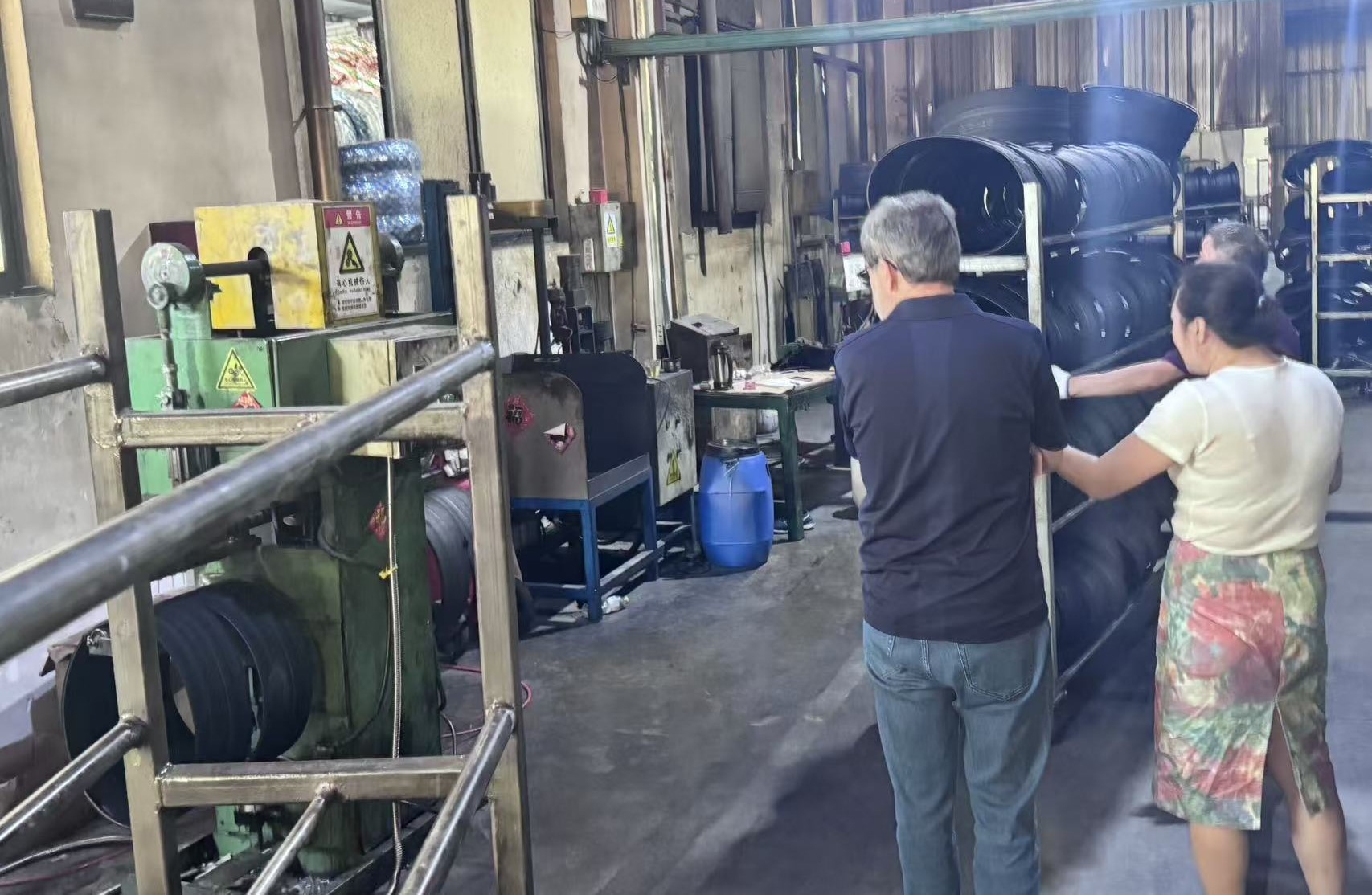
One of the most important steps in motorcycle tire sourcing is identifying which products are available and which require further development.
Ask the supplier to classify each item into one of these categories:
Existing Product
The supplier already offers the required size and a suitable pattern.
Existing Size, Different Pattern
The size is available, but the buyer needs a different tread design.
Product Requires Further Confirmation
The requested specification, construction or application needs clarification.
New Development Required
The product may require new tooling, mold development or additional testing.
This distinction is important because product availability, MOQ, development costs and lead times can differ significantly between these categories.
For example, if you need 20 different tire sizes, you should not assume that every size is immediately available or that all products can be manufactured under the same conditions.
DEJI TIRE can check the requested product list against its current range and discuss suitable existing products or development options where applicable.
4. Match the Product Specification Before Comparing Prices
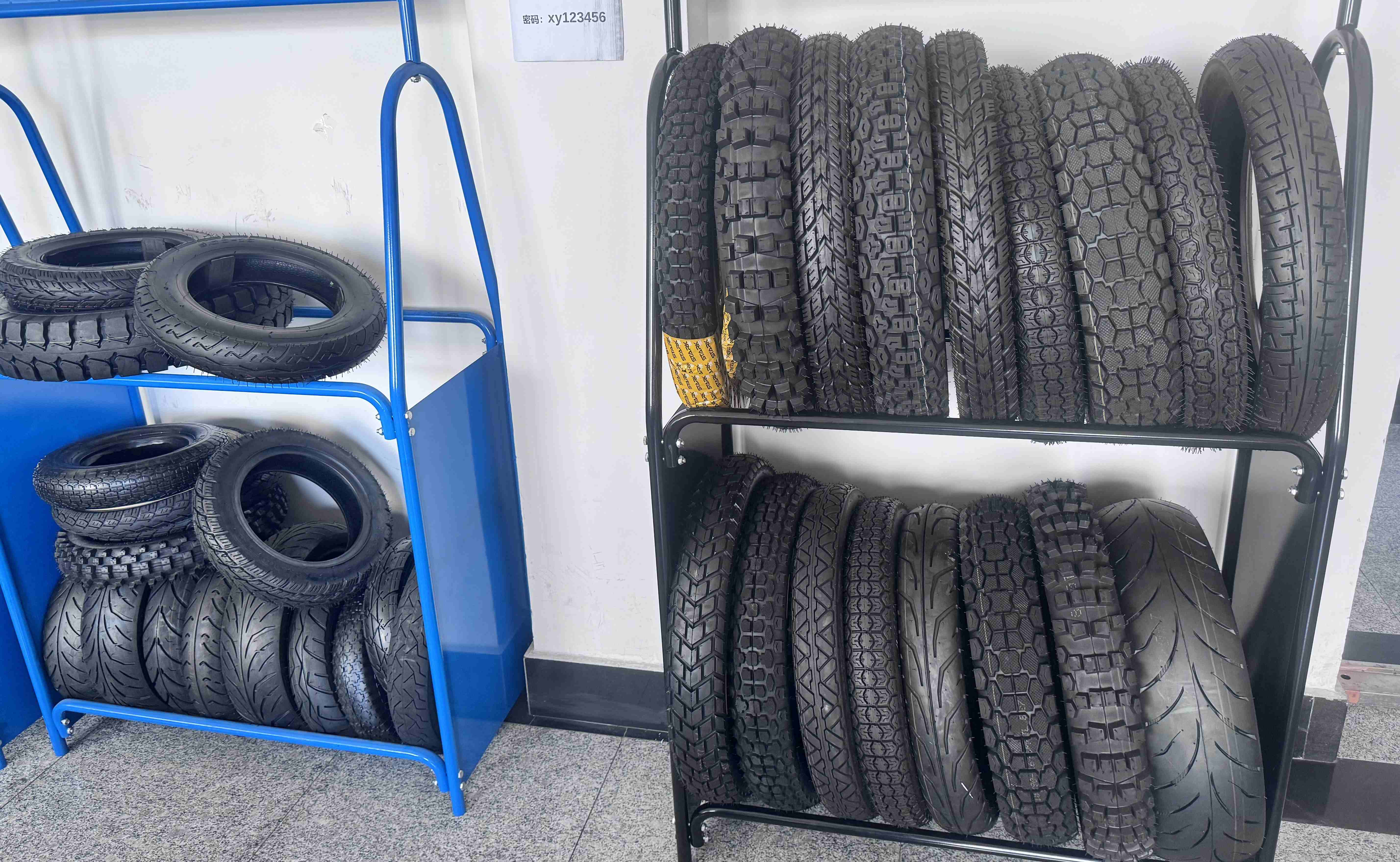
Two tire quotations should not be compared only by size.
Before evaluating the unit price, confirm that the quoted products match the required specifications.
Important details may include:
-
Tire size
-
Front or rear application
-
Tread pattern
-
TT or TL construction
-
Load index and speed rating, where applicable
-
Ply rating, where applicable
-
Other agreed technical requirements
If the tire is intended for a particular motorcycle or scooter, confirm the application using the relevant vehicle and tire specifications.
For OEM products, also confirm sidewall markings, branding and packaging requirements.
A price comparison is meaningful only when the products being compared are equivalent in the details that matter to the buyer.
5. Compare Complete Quotations, Not Just Unit Prices
Ask every shortlisted supplier to quote the same product list and commercial requirements.
A complete quotation should identify:
| Quotation field | Information to confirm |
|---|---|
| Product | Size, pattern and model |
| Quantity | Pieces per SKU |
| Unit price | Price and currency |
| MOQ | Minimum quantity per size or pattern |
| Packaging | Standard or customized |
| Trade term | EXW, FOB or CIF, with named place |
| Lead time | Confirmed production schedule |
| Samples | Price and shipping arrangement |
| OEM costs | Branding, packaging or tooling, if applicable |
| Documents | Applicable certificates and export documents |
Also confirm whether inner tubes are included. DEJI TIRE quotations generally exclude inner tubes unless they are specifically included in the offer.
When comparing suppliers, consider the full purchasing arrangement rather than selecting the offer with the lowest unit price.
6. Understand MOQ Before Building Your Order
Minimum order quantity can affect the total cost and feasibility of a sourcing plan.
DEJI TIRE's standard MOQ references are:
| Product category | General MOQ |
|---|---|
| Motorcycle tires | 300 pcs per size or pattern |
| ATV / UTV tires | 100 pcs |
| Motorcycle inner tubes | 1,000 pcs |
These are general references. The actual MOQ should be confirmed for the selected product, pattern and project.
If your purchasing list includes many sizes in small quantities, ask the supplier to confirm the MOQ for every line.
For mixed-size orders, the final order arrangement and container loading plan should be calculated according to the actual product mix.
7. Evaluate Samples Before a Large Purchase
Samples provide an opportunity to review the actual product before committing to a bulk order.
Depending on the product and project, buyers can check:
-
Product appearance
-
Tire dimensions
-
Tread pattern
-
Sidewall markings
-
Construction
-
Mounting compatibility
-
Packaging
-
Other agreed specifications
DEJI TIRE accepts samples for product evaluation. Sample pricing depends on the selected product, and the customer pays the shipping cost. Any credit of sample charges against a subsequent order should be confirmed in the agreed terms.
For OEM projects, the buyer should also confirm the logo artwork, sidewall information and packaging before approving the sample.
A sample is an important purchasing check, but it does not replace independent testing or regulatory approval when those are required.
8. Check Factory Evidence and Manufacturing Capability
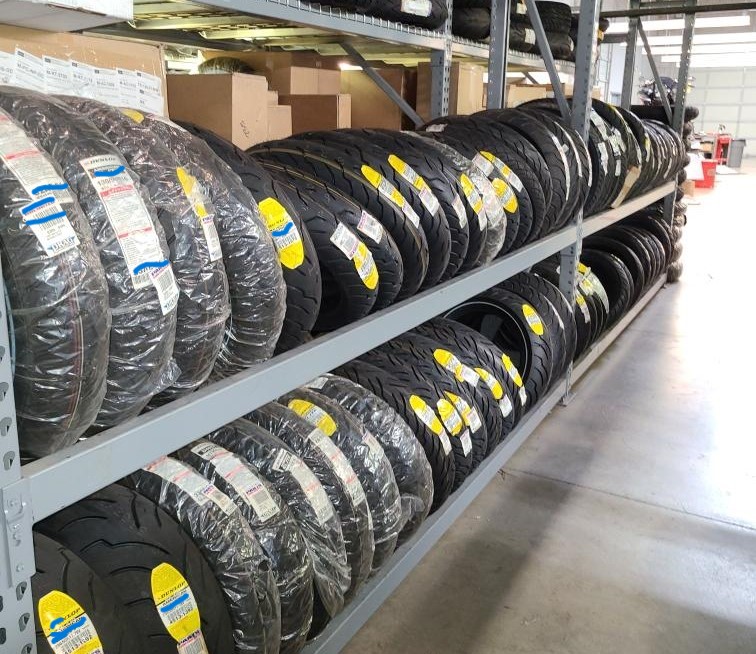
A supplier's website is a useful starting point, but buyers should look for evidence that supports the information presented.
Useful steps include:
Review the Factory Information
Check the manufacturing location, product range and published production capabilities.
Ask Product-Specific Questions
Request the specifications and relevant inspection or testing information for the tires you intend to purchase.
Arrange a Factory Visit
Where practical, visit the factory to see the production environment and discuss the products directly.
Verify the Documents
Check whether company information, product documents and applicable certificates correspond to the supplier and the products being quoted.
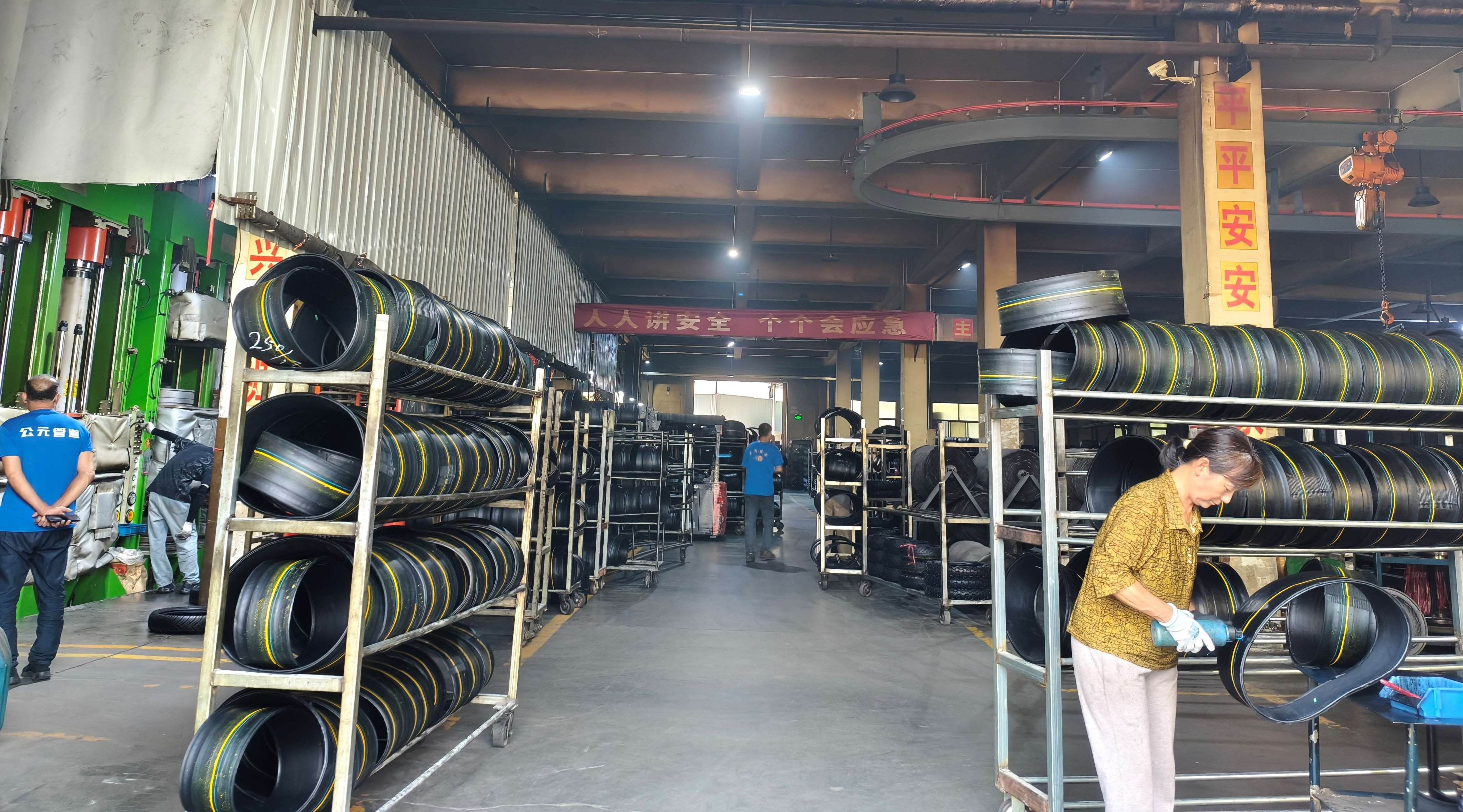
DEJI TIRE is based in Qingdao, China. Its factory environment includes production areas, a raw material warehouse, a quality control laboratory and a product showroom.
An on-site visit can help buyers understand the manufacturing environment, but factory visits and production capacity alone do not prove that every product meets every destination market's requirements.
9. Decide Between Standard Products and OEM / Private Label
The right sourcing route depends on what your business needs.
Standard Products
This route may suit buyers who want an existing product and do not need extensive branding or design changes.
The supplier checks the available size, pattern, construction and packaging before confirming the offer.
OEM / Private Label
This route may suit brands that require their own logo, sidewall branding or customized packaging.
Depending on the project, OEM requirements can include:
-
Brand artwork
-
Sidewall branding
-
Product specifications
-
Tread pattern selection
-
Packaging customization
-
Sample approval
-
New mold development, if required
Not every OEM project needs a new mold. If an appropriate existing pattern and tooling are available, the project may be simpler than one that requires a new pattern, mold or testing.
DEJI TIRE supports applicable OEM and ODM projects. The exact arrangement, tooling cost and production schedule should be confirmed for each project.
10. Confirm Certification and Destination-Market Requirements
Certification and import requirements differ according to the destination country, product and applicable regulations.
Before ordering, confirm:
-
Which standards apply to the selected tire
-
Whether the relevant documents cover the specific product
-
Whether additional testing or conformity assessment is required
-
Whether labeling or pre-shipment inspection is necessary
-
Which documents are required for customs clearance
DEJI TIRE's website lists certification information including ISO 9001, CCC, BIS, INMETRO, ECE, DOT and GCC. Buyers should request the current documents applicable to their selected products and destination market.
Do not assume every tire size has every listed certification. ISO 9001 relates to quality management systems and does not replace a product-specific approval where one is required.
The buyer should confirm the current requirements with the relevant local authority, customs agent or conformity-assessment body.
11. Confirm Production Time and Delivery Conditions
A production lead time should be confirmed against the actual product list.
An existing tire pattern may require less preparation than a project involving a new pattern, mold development, testing or customized packaging.
Before confirming the purchase order, clarify whether the quoted schedule includes:
-
Product confirmation
-
Artwork approval
-
Sample approval, if required
-
Customized packaging preparation
-
Production
-
Inspection
-
Packing and loading
DEJI TIRE's production arrangements vary according to the product and degree of customization. An urgent arrangement may be possible for certain existing patterns, subject to factory scheduling and additional costs.
Request a project-specific schedule rather than relying on a general timeline.
12. Calculate the Full Shipping Requirement
The product price is only one part of the total sourcing cost.
Before shipment, confirm the packing method and shipment details needed for logistics planning.
Ask for:
-
Quantity per package
-
Package dimensions
-
Net weight and gross weight
-
Total CBM
-
Container type
-
Estimated loading quantity
-
Loading port
-
Destination port
-
Agreed trade term
EXW, FOB and CIF include different obligations and cost arrangements. The quotation should state the applicable Incoterm and named place clearly.
For mixed-size orders, container loading must be calculated using the actual products and packing arrangement rather than an assumed standard quantity.
13. Use a Supplier Comparison Scorecard
A simple scorecard can help your purchasing team compare suppliers more consistently.
Rate each supplier from 1 to 5 in the following areas:
| Criterion | Score from 1–5 |
|---|---|
| Match with required sizes and patterns | ___ |
| Clarity of technical specifications | ___ |
| Quality and testing information | ___ |
| MOQ suitability | ___ |
| Completeness of quotation | ___ |
| OEM / packaging support | ___ |
| Production schedule clarity | ___ |
| Relevant market documentation | ___ |
| Communication and response quality | ___ |
Suggested method: Use the same criteria for each supplier and keep notes supporting each score.
This scorecard is a buyer's evaluation tool, not a certification of the supplier. A high price score should not compensate for missing critical product information or unresolved compliance requirements.
 14. Prepare a Clear RFQ Before Contacting the Manufacturer
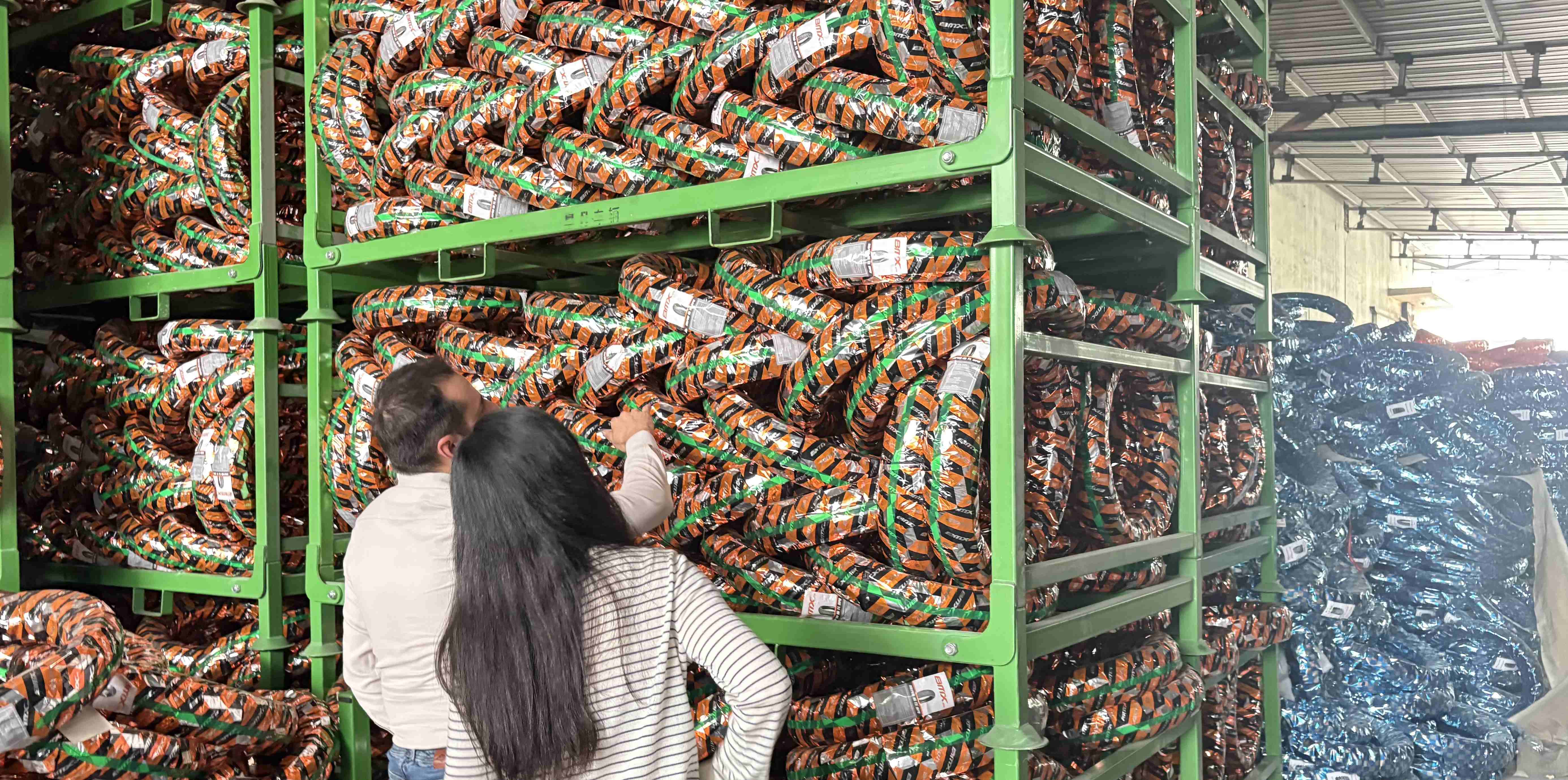
A complete request for quotation helps the factory respond more accurately.
Copy and complete the following template:
Company Information
-
Company name:
-
Country / target market:
-
Website:
-
Contact person and position:
Product Requirements
-
Tire sizes:
-
Pattern or reference photos:
-
Front / rear application:
-
TT / TL:
-
Quantity per size:
-
Required technical specifications:
Commercial Requirements
-
DEJI brand or OEM / private label:
-
Packaging requirements:
-
Preferred trade term:
-
Destination port:
-
Target delivery schedule:
Compliance Requirements
-
Required standards:
-
Required certificates or documents:
If you already have a product list from your current supplier, sharing it with the manufacturer can help clarify the specifications you want to source.
How DEJI TIRE Supports International Buyers
DEJI TIRE is a motorcycle tire and inner tube manufacturer based in Qingdao, China.
The company's product range includes motorcycle tires, scooter tires, ATV tires, bicycle tires and inner tubes.
Its current stated production capacity is up to:
20,000 motorcycle tires per day
80,000 inner tubes per day
Actual output depends on product mix and production scheduling.
For international importers, wholesalers, distributors and private-label brands, DEJI TIRE can discuss product matching, MOQ, samples, applicable OEM / ODM requirements, packaging and bulk supply arrangements.
The most effective starting point is a complete purchasing list with the required specifications and quantities.
Frequently Asked Questions
What should I compare when choosing a motorcycle tire supplier in China?
Compare product matching, technical specifications, manufacturing information, quality documentation, MOQ, sample arrangements, quotation terms, production schedule and applicable market documents.
What is DEJI TIRE's standard motorcycle tire MOQ?
The general MOQ reference is 300 pieces per size or pattern. ATV / UTV tires generally start at 100 pieces, and inner tubes generally start at 1,000 pieces. Confirm the actual requirement for your selected products.
Can DEJI TIRE supply motorcycle tires under my own brand?
Yes. Applicable OEM / private-label projects can include sidewall branding and customized packaging. New pattern or mold development can be discussed if needed.
Can I order several tire sizes together?
Mixed-size orders can be discussed. The final order arrangement depends on the quantity, product mix, MOQ and loading plan.
Can I request samples before placing a bulk order?
Yes. DEJI TIRE accepts samples for product evaluation. Sample price and shipping arrangements depend on the selected product and destination.
How can I confirm which certificates apply to my order?
Provide the selected tire sizes and destination country, then request the relevant product documentation. Confirm the final import requirements with the appropriate local authority or conformity-assessment body.
Where is DEJI TIRE located?
DEJI TIRE is based in Qingdao, China. International buyers can contact the company to discuss product specifications, samples, factory visits and supply arrangements.
Start Your Motorcycle Tire Sourcing Plan
A successful sourcing decision starts with clear product requirements and a consistent way to compare suppliers.
Before placing an order, make sure you have confirmed:
Product Match — Size, pattern, construction and application.
Commercial Terms — Price, MOQ, packaging and trade term.
Product Evaluation — Samples and agreed technical requirements.
Compliance — Applicable destination-country standards and documents.
Production — Confirmed schedule and customization requirements.
Shipment — Packing information, CBM and loading plan.
If you are sourcing motorcycle tires, motorcycle tyres, scooter tires, ATV tires or motorcycle inner tubes from China, DEJI TIRE welcomes your inquiry.
Send us your required sizes, quantities, target market and OEM requirements so our team can check the suitable products and prepare a project-specific quotation.
DEJI TIRE
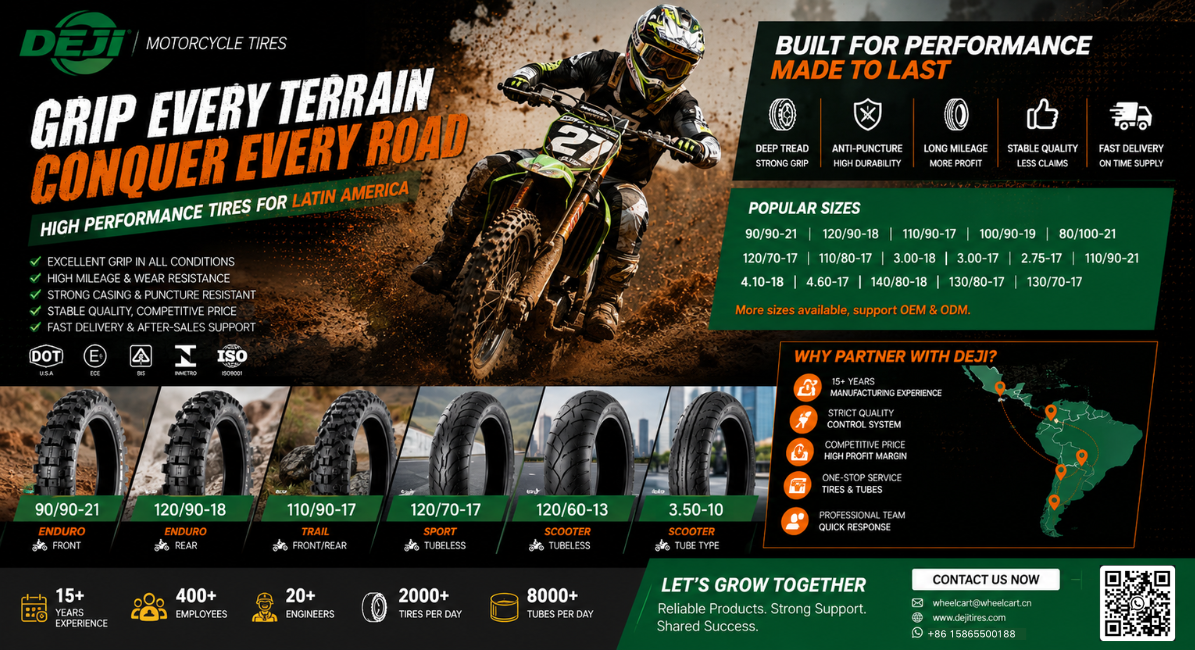
Motorcycle Tire & Inner Tube Manufacturer in China
OEM & ODM | Factory Supply | Global Export
Address: 118# Douloushan Road, Lingang Development Area, Huangdao District, Qingdao, China
Tel: +86-532-85185798
WhatsApp: +86-13789870880 / +86-15865500188
Email: wheelcart@wheelcart.cn
Website: www.wheelcart.cn
How Motorcycle Tires Are Made: Inside DEJI TIRE's Production Workshop
How to Source Motorcycle Tires from China: A Practical Guide for Importers