

How DEJI TIRE Controls Motorcycle Tire Quality from Production to Finished Product
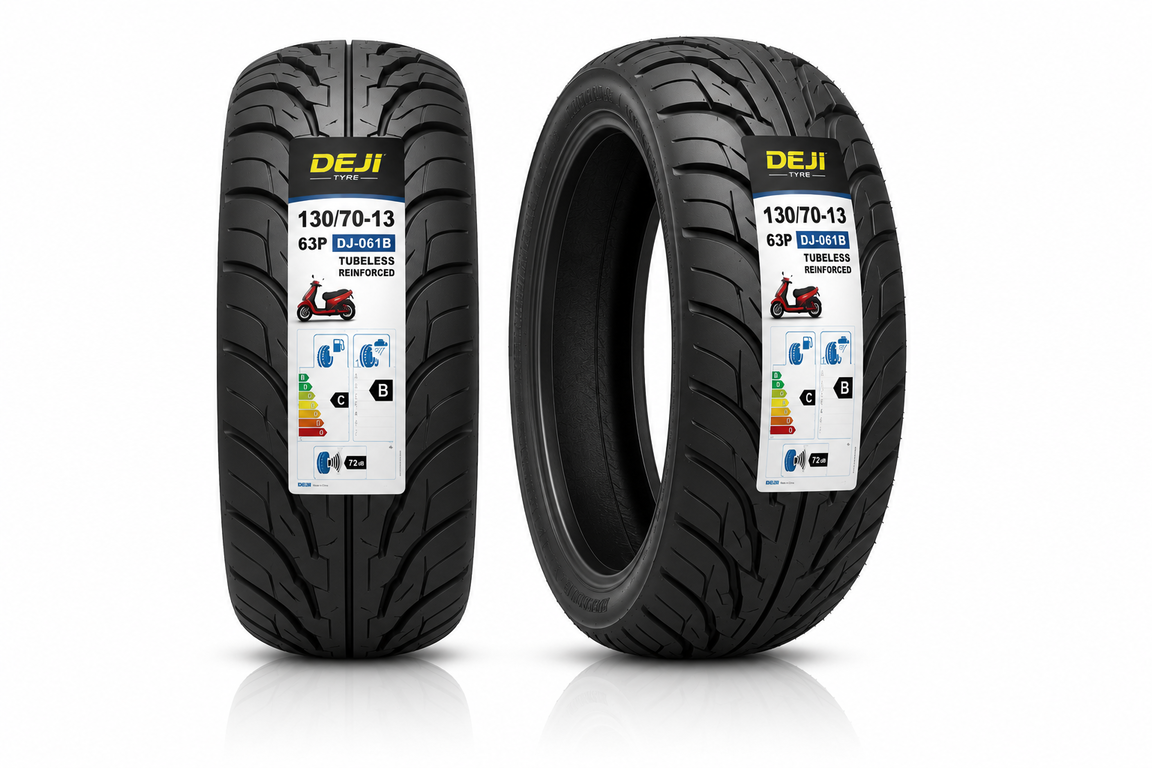
How DEJI TIRE Controls Motorcycle Tire Quality from Production to Finished Product
Quality Control | Production Inspection | Finished Tire Inspection | Qingdao, China
For an international motorcycle tire buyer, the question is not only how a tire is manufactured.
Another important question is:
How is the quality of the tire controlled during and after production?
When importers, wholesalers and distributors evaluate a motorcycle tire manufacturer in China, quality management is an important part of supplier evaluation.
At DEJI TIRE in Qingdao, China, quality control is connected with the production process, product inspection and finished-product management.
This article explains how buyers can understand the quality-control process behind DEJI motorcycle tires and why factory-based inspection matters for long-term supply.
Why Is Quality Control Important for Motorcycle Tires?
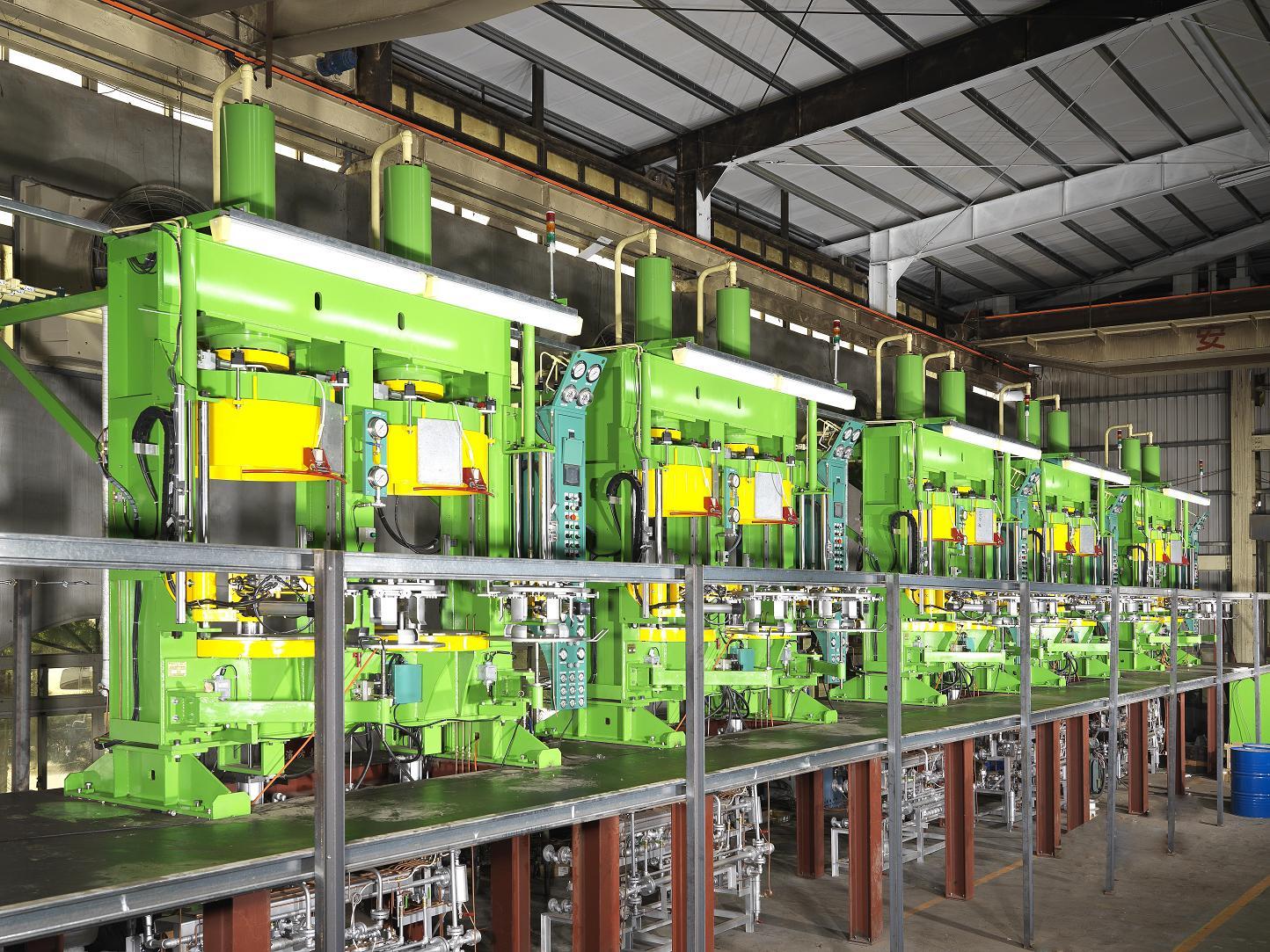
A motorcycle tire is a safety-related product that must meet its intended specifications and application requirements.
For importers and distributors, quality is not simply about whether the tire looks good.
Buyers also need consistency across:
-
Product dimensions
-
Tread design
-
Sidewall information
-
Construction
-
Appearance
-
Applicable technical requirements
For repeat orders, consistency becomes especially important because buyers need products to remain aligned with previously approved specifications.
This is why quality control should be considered throughout the manufacturing process rather than only after the finished tire leaves the factory.
Quality Control Starts Before the Finished Tire
A finished motorcycle tire is the result of multiple manufacturing stages.
As discussed in our previous article about motorcycle tire production, the process can include material preparation, rubber processing, component preparation, tire building, curing, finishing and inspection.
Quality control therefore needs to be connected with the production process.
At DEJI TIRE, international customers visiting the factory can see areas including the raw material warehouse, production lines, quality control laboratory and product showroom.
These areas allow buyers to understand the manufacturing environment beyond a product catalogue or quotation.
1. Raw Material Management
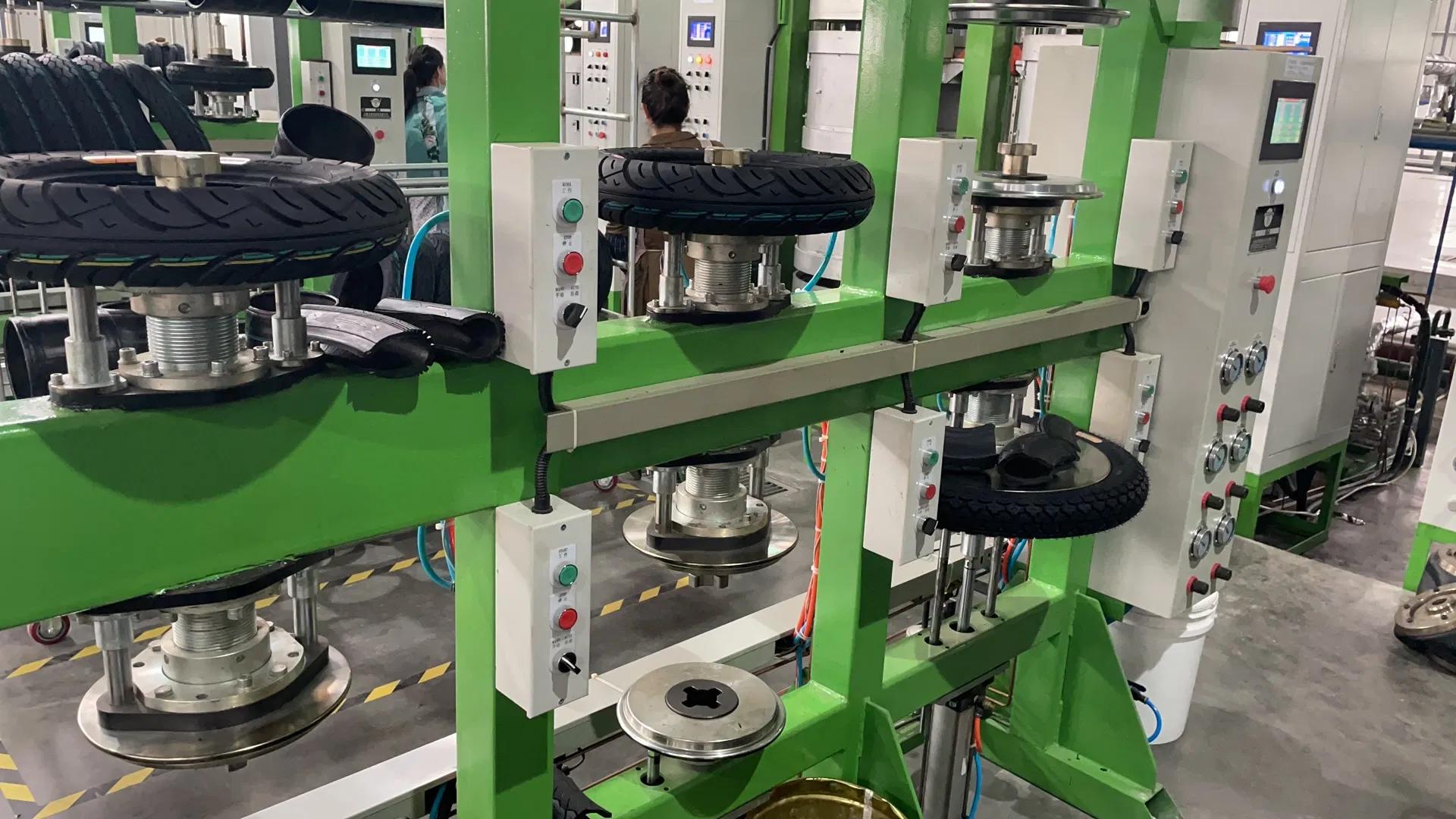
Raw materials are the starting point of tire production.
Depending on the product, motorcycle tires use different rubber and reinforcement components.
Before materials enter production, they need to be managed according to the applicable manufacturing requirements.
For a manufacturer, material control is important because differences in materials can affect the consistency of subsequent production.
For international buyers, understanding how a supplier manages materials is therefore part of evaluating the manufacturing process.
2. Production Process Control
Motorcycle tire quality is also connected with how the production process is managed.
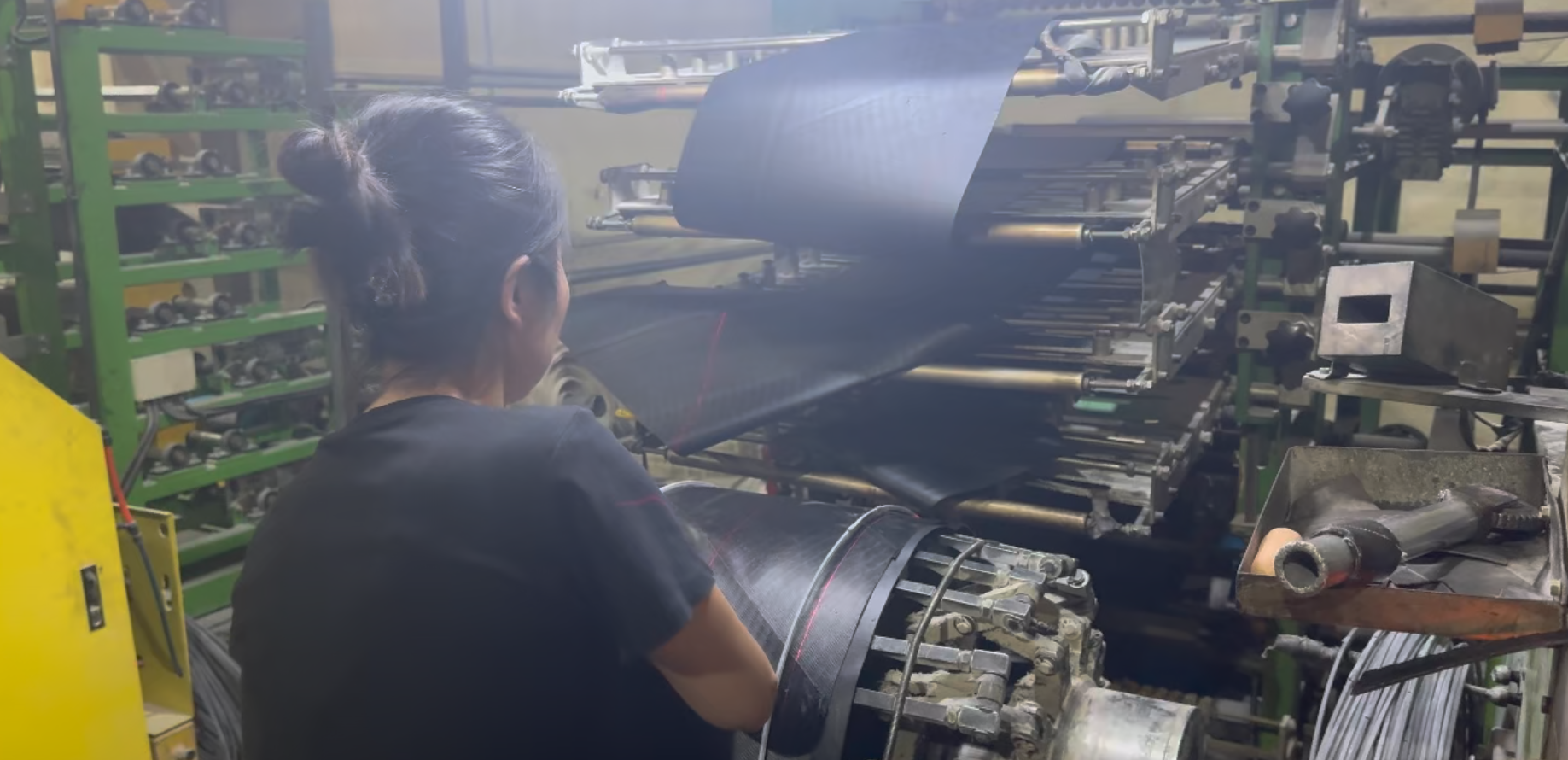
During production, different components are processed and assembled according to the requirements of the selected tire.
These stages may include:
Rubber Processing
↓
Component Preparation
↓
Tire Building
↓
Curing
↓
Finishing
↓
Inspection
The exact production route depends on the tire size, construction and product requirements.
The important point is that quality is not created by the final inspection alone. It is related to the consistency of the manufacturing process.
3. Green Tire Inspection
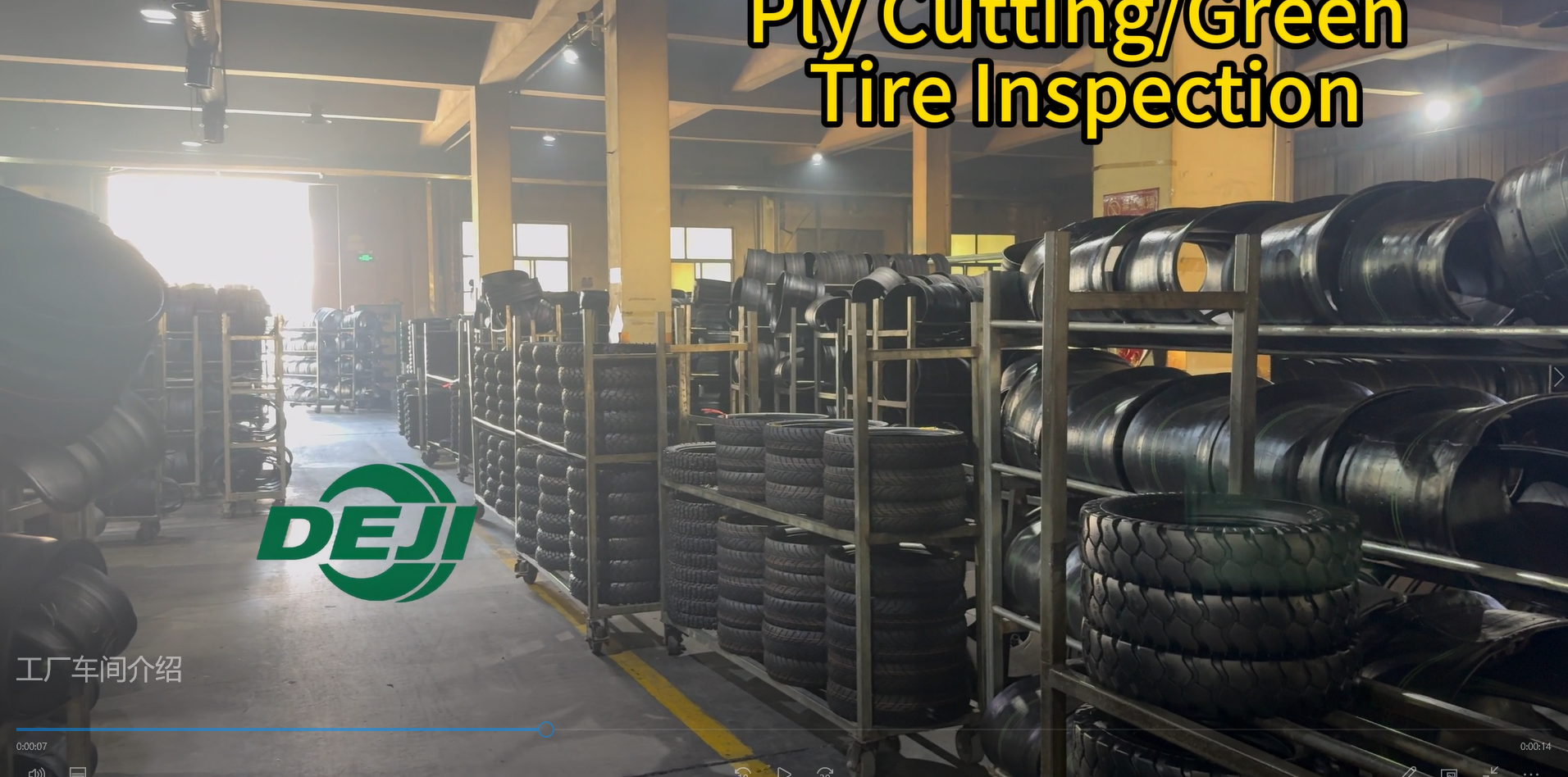 Before curing, a motorcycle tire exists as a green tire.
At this stage, inspection can help identify production issues before the product continues to the curing process.
The applicable inspection items depend on the tire specification and manufacturing requirements.
This stage is important because identifying issues earlier can help reduce the risk of carrying a production problem into the finished product.
4. Curing and Tread Formation
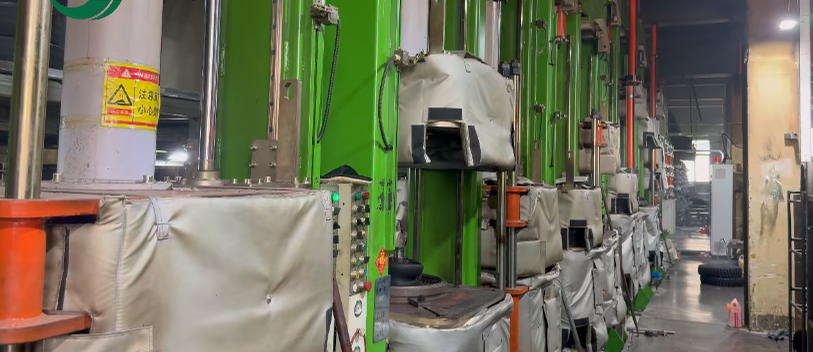
Curing is one of the key stages of motorcycle tire manufacturing.
The green tire is processed under controlled manufacturing conditions, and the selected tread pattern is formed through the curing mold.
For customers purchasing a specific motorcycle tire pattern, the curing stage is directly related to the final shape and tread appearance of the product.
This is particularly relevant to buyers comparing:
-
Existing tread patterns
-
Different tire sizes
-
OEM products
-
Private-label products
When a customer approves a specific product, the final production should follow the agreed specifications.
5. Finished Tire Inspection
After curing and finishing, the completed motorcycle tire moves to the finished-product inspection stage.
Depending on the specific product and applicable requirements, inspection may cover areas such as:
-
Overall appearance
-
Tire dimensions
-
Tread pattern
-
Sidewall markings
-
Product condition
-
Other applicable technical requirements
The exact inspection and testing items vary according to the tire model, customer requirements and destination-market requirements.
For this reason, professional buyers should ask suppliers to provide the actual technical information applicable to the selected product rather than relying on general statements.
6. Quality Control Laboratory
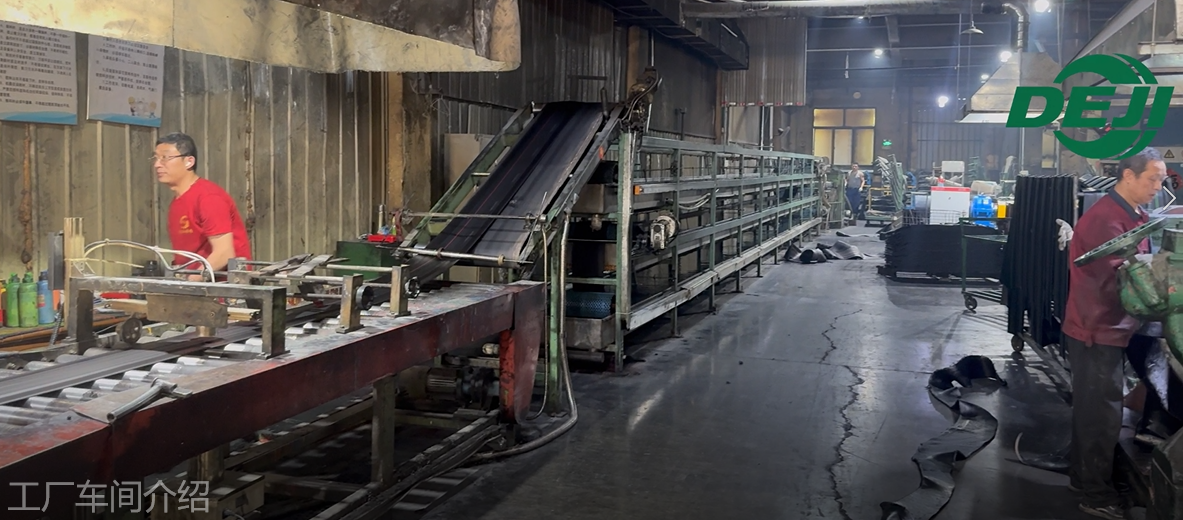 DEJI TIRE's factory includes a quality control laboratory as part of its manufacturing environment.
During international customer visits, buyers can review the factory's quality-control area and discuss product testing and quality-related questions directly with the DEJI team.
This is valuable for supplier evaluation because buyers can connect the manufacturer's explanations with the actual factory environment.
For OEM projects, the quality discussion can also be linked to the specific product requirements agreed between the customer and manufacturer.
7. Quality Control for OEM Motorcycle Tires
OEM and private-label motorcycle tire projects require particular attention to consistency.
A buyer may approve a specific combination of:
Size + Tread Pattern + Construction + Sidewall Branding + Packaging
Once the product is approved, the production order should follow the confirmed specifications.
For OEM projects, quality control is therefore not only about the physical tire. It can also involve making sure that the production product corresponds to the customer's approved requirements.
This is one reason why sample approval is an important stage before larger production.
8. Sample Evaluation Before Bulk Orders
For international buyers working with a new motorcycle tire supplier, samples provide an opportunity to evaluate the actual product before placing a larger order.
DEJI TIRE accepts samples for product evaluation.
Depending on the project, buyers can use samples to review:
-
Product appearance
-
Tire size
-
Tread pattern
-
Sidewall information
-
Construction
-
Other agreed requirements
Sample evaluation does not replace all quality-control procedures, but it can help buyers confirm that the selected product is suitable for their project before moving into bulk production.
9. Quality Is About Consistency Across Orders
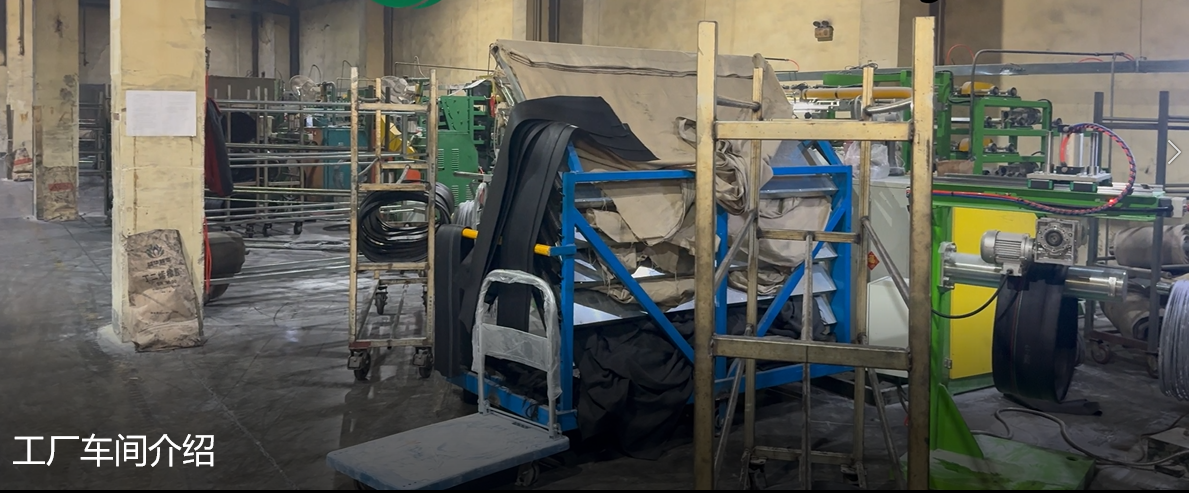
For a professional distributor, one shipment is not the only concern.
The more important question is often:
Will future orders remain consistent with the approved product?
Long-term supply requires attention to:
-
Product specifications
-
Production procedures
-
Quality control
-
Packaging
-
Order communication
-
Production scheduling
This is especially important for wholesalers and distributors building a stable product line.
A motorcycle tire supplier should therefore be evaluated not only on a single sample but also on its ability to maintain consistent production over time.
10. Factory Visits Help Buyers Understand Quality Management
A factory visit gives international buyers the opportunity to see the supplier's manufacturing environment directly.
At DEJI TIRE, visitors can review areas such as:
Raw Material Warehouse
Understand where production materials are stored and managed.
Production Workshop
See the actual manufacturing environment.
Quality Control Laboratory
Discuss product quality and testing-related questions.
Product Showroom
Review motorcycle tires, scooter tires, ATV tires and inner tubes.
A factory visit does not replace product testing, certifications or independent due diligence, but it provides useful first-hand information about the supplier and its manufacturing environment.
What Should a Motorcycle Tire Buyer Ask About Quality?
When evaluating a China motorcycle tire manufacturer, buyers can ask:
What quality-control procedures are used during production?
How is the finished tire inspected?
What technical specifications apply to the selected model?
Can I evaluate samples before a bulk order?
How are OEM products controlled against approved samples?
Which testing documents are available for my market?
Can I visit the factory and see the production environment?
These questions help buyers move from general claims about “good quality” to specific and verifiable product information.
Quality Control and Destination-Market Requirements
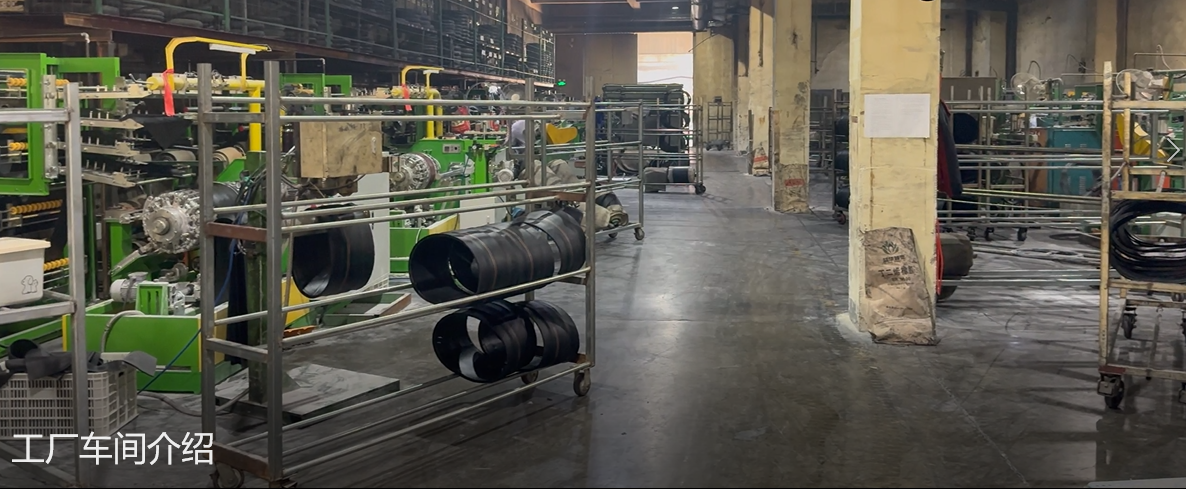 Quality control and market compliance are related but are not the same thing.
A tire manufacturer may have internal production and inspection procedures, while the destination country may also have its own standards, certification or conformity requirements.
Therefore, international buyers should confirm the applicable requirements for:
-
Product
-
Tire size
-
Destination country
-
Intended application
-
Import regulations
DEJI TIRE can assist customers with applicable product documents according to the project and destination-market requirements.
The final import and compliance requirements remain subject to the regulations of the destination market.
DEJI TIRE: Quality Control Within a Factory-Based Supply Chain
DEJI TIRE is a motorcycle tire and inner tube manufacturer based in Qingdao, China.
Its product range includes:
-
Motorcycle Tires
-
Motorcycle Tyres
-
Scooter Tires
-
ATV Tires
-
Motorcycle Inner Tubes
The factory's current stated production capacity is up to:
20,000 motorcycle tires per day
and
80,000 inner tubes per day
Actual output depends on product mix and production scheduling.
For international buyers, production capacity is only one part of supplier evaluation. Product consistency, quality management, communication and the ability to support repeat orders are also important.
What Does DEJI TIRE's Quality Process Mean for Buyers?
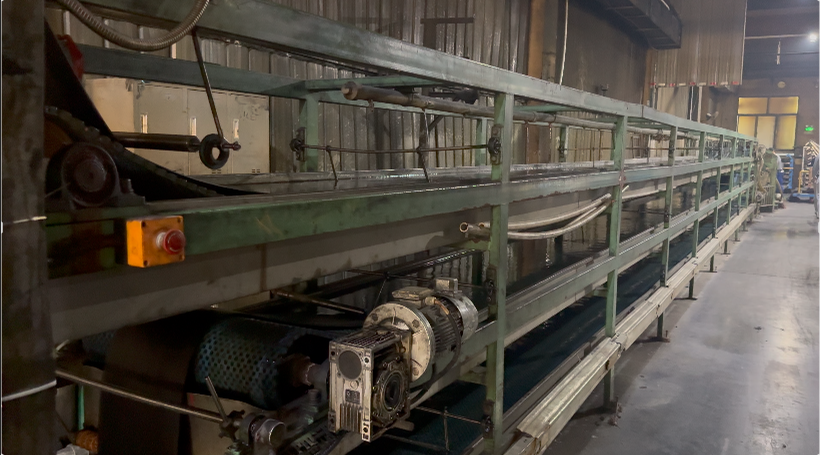
From the buyer's perspective, the quality-control process can be understood as a chain:
Raw Materials
↓
Production Process
↓
Green Tire
↓
Curing
↓
Finishing
↓
Finished Tire Inspection
↓
Sample / Product Evaluation
↓
Packing
↓
Shipment
Each stage contributes to the final product.
For buyers planning long-term supply, understanding this chain can make supplier evaluation more practical and specific.
Frequently Asked Questions About Motorcycle Tire Quality Control
How does DEJI TIRE control motorcycle tire quality?
DEJI TIRE's quality management is connected with material preparation, production processes, product inspection and finished-product control. The exact inspection requirements depend on the selected product.
Does DEJI TIRE have a quality control laboratory?
Yes. DEJI TIRE's factory includes a quality control laboratory as part of its manufacturing environment.
Can I inspect motorcycle tire samples before placing a bulk order?
Yes. DEJI TIRE accepts samples for product evaluation. Sample pricing and shipping depend on the selected product and destination.
Does quality control apply to OEM motorcycle tires?
Yes. Applicable OEM projects require the production product to follow the confirmed product specifications, branding and other agreed requirements.
Can international buyers visit the DEJI TIRE factory?
Yes. International customers can arrange factory visits to learn more about the production environment, products and quality-control processes.
Does factory quality control replace destination-country certification?
No. Internal quality control and destination-country compliance are separate requirements. Buyers should confirm the applicable regulations and certification requirements for their market.
Is DEJI TIRE a motorcycle tire manufacturer in China?
Yes. DEJI TIRE is a motorcycle tire and inner tube manufacturer based in Qingdao, China.
Looking for a Motorcycle Tire Manufacturer in China?
When selecting a motorcycle tire supplier, price is only one part of the decision.
For importers, wholesalers, distributors and OEM brands, it is also important to understand:
How the products are manufactured.
How quality is controlled.
How samples are evaluated.
How OEM requirements are managed.
How the supplier supports repeat orders.
DEJI TIRE welcomes international buyers who want to learn more about our products and manufacturing environment.
Send us your:
Tire Sizes + Required Quantities + Target Market + OEM Requirements
Our team can discuss the suitable product, sample and supply arrangements for your project.
DEJI TIRE
Motorcycle Tire & Inner Tube Manufacturer in China
OEM & ODM | Factory Supply | Global Export
Address: 118# Douloushan Road, Lingang Development Area, Huangdao District, Qingdao, China
Tel: +86-532-85185798
WhatsApp: +86-15865500188
Email: wheelcart@wheelcart.cn
Website: www.wheelcart.cn
How to Build the Right Motorcycle Tire Product Range for Your Market
How Motorcycle Tires Are Made: Inside DEJI TIRE's Production Workshop


